
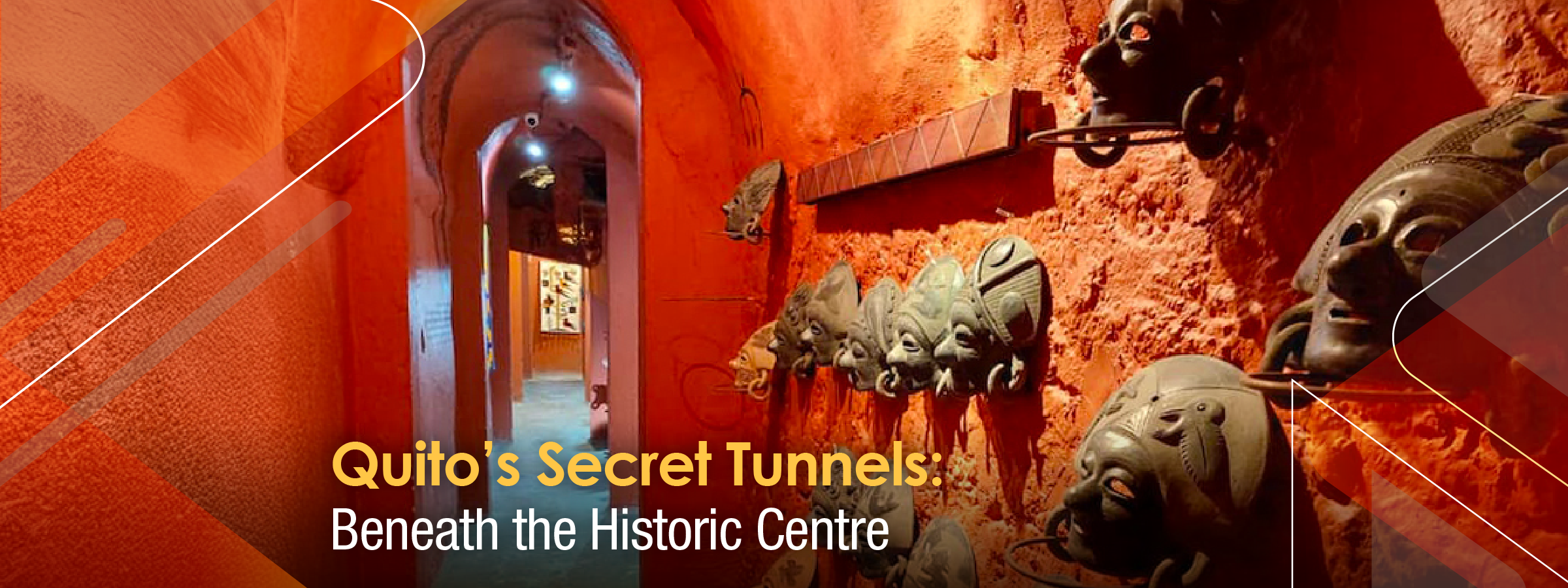
Quito’s Secret Tunnels: Beneath the Historic Centre
A Hidden World of Legends, Escape Routes and Colonial Mysteries
Most travellers know Quito’s Historic Centre for its cobbled streets, golden churches and colonial charm. But few realise that beneath the surface lies another city entirely—a web of underground tunnels that once connected monasteries, convents, churches and political strongholds.
Far from being a mere curiosity, these tunnels offer a fascinating layer of history, strategy, and legend that enriches any cultural itinerary.
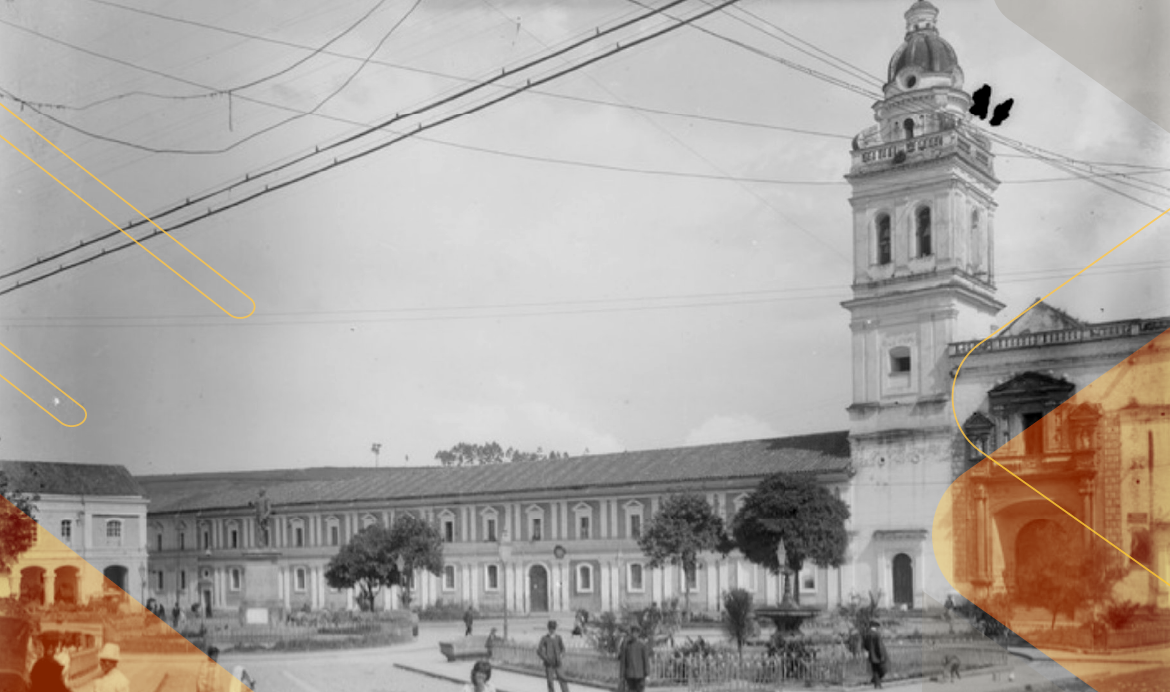
What Are Quito’s Secret Tunnels?
Carved out during the colonial period—some say even earlier—these underground passageways served a variety of purposes:
- Escape routes for political or religious figures during uprisings
- Communication corridors between religious buildings
- Hidden storage spaces for valuable artefacts
- Pathways for smuggling or resistance during the independence era
While much of the network remains closed to the public, certain sections can be visited on request or as part of private tours with expert guides.
Where Do They Run?
The most documented tunnels connect major religious and civic buildings in Quito’s Historic Centre, including:
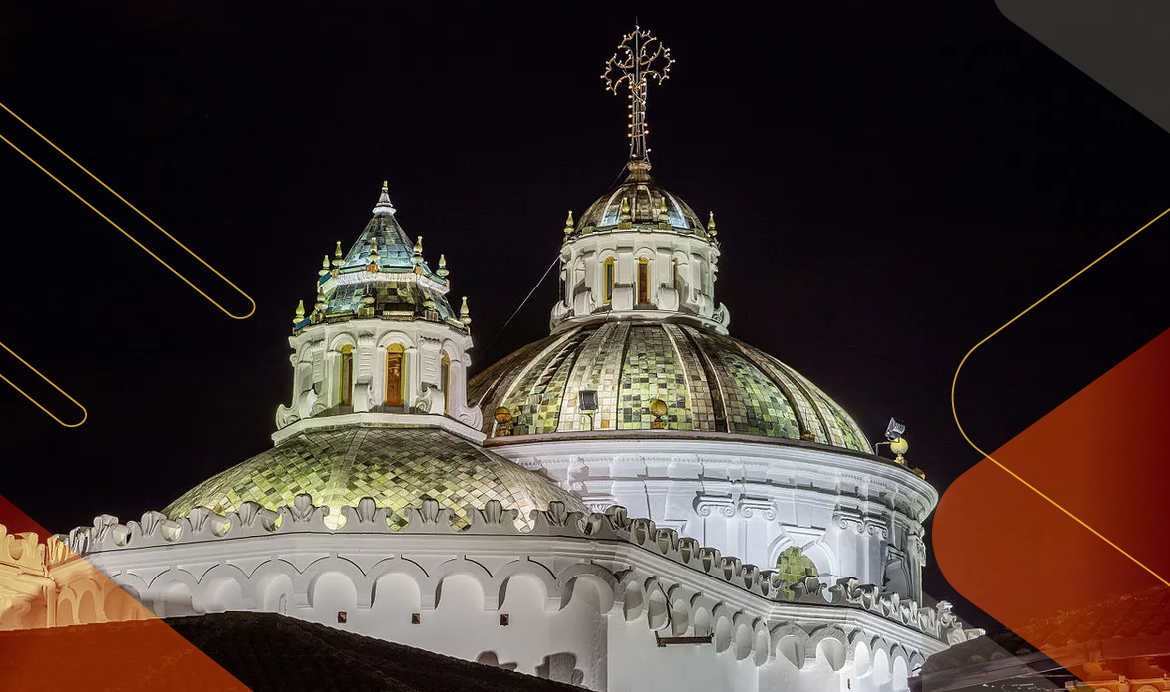
La Compañía de Jesús (Jesuit church)
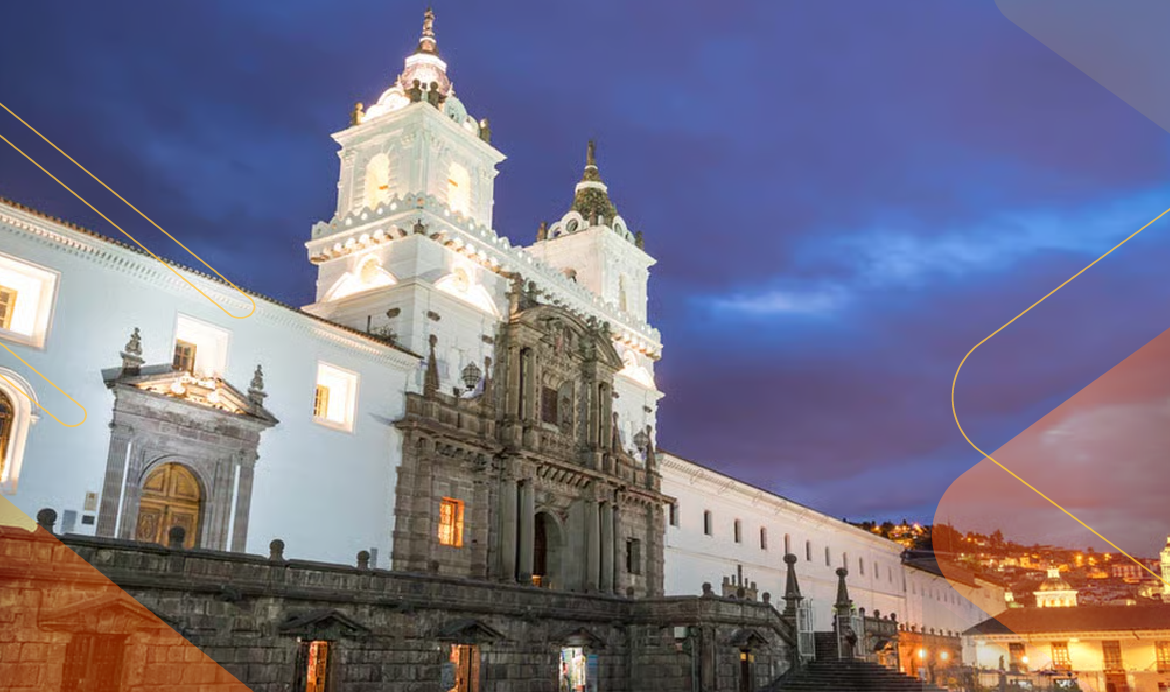
San Francisco Monastery
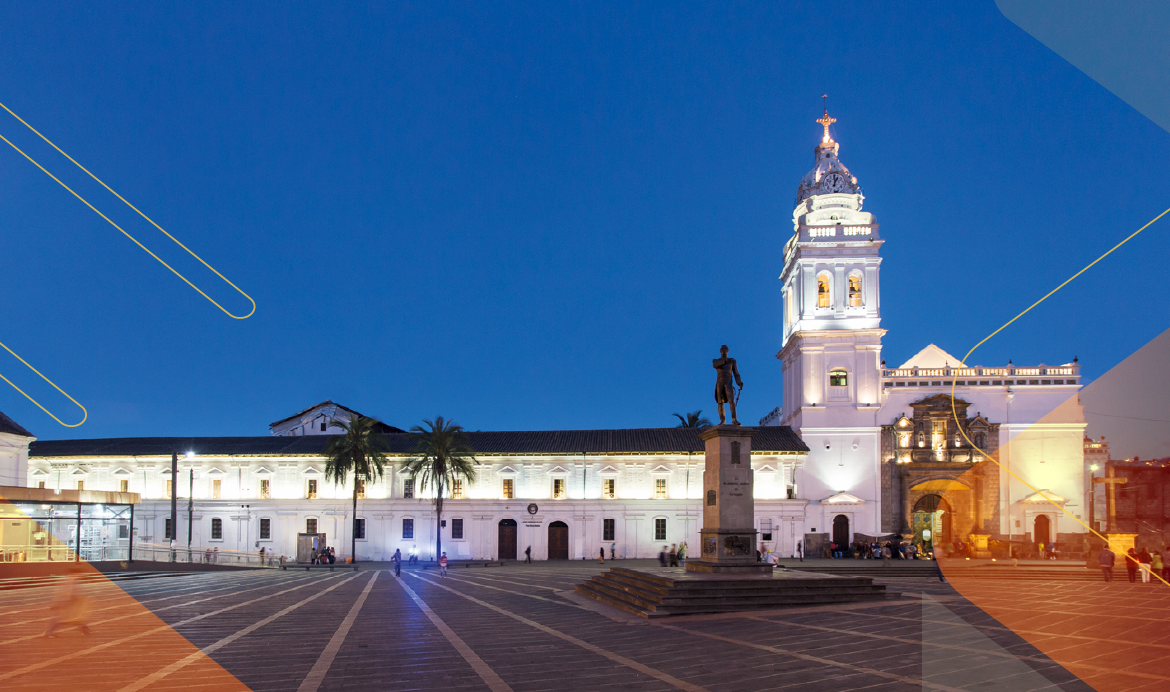
Convento de Santo Domingo
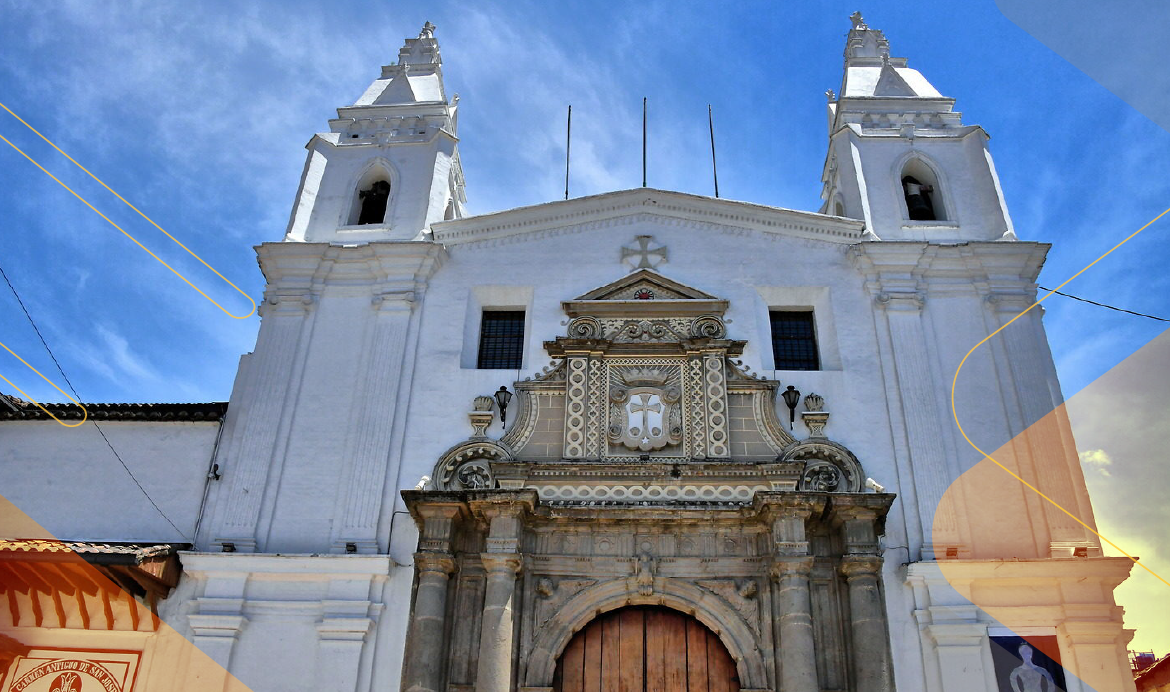
El Carmen Alto
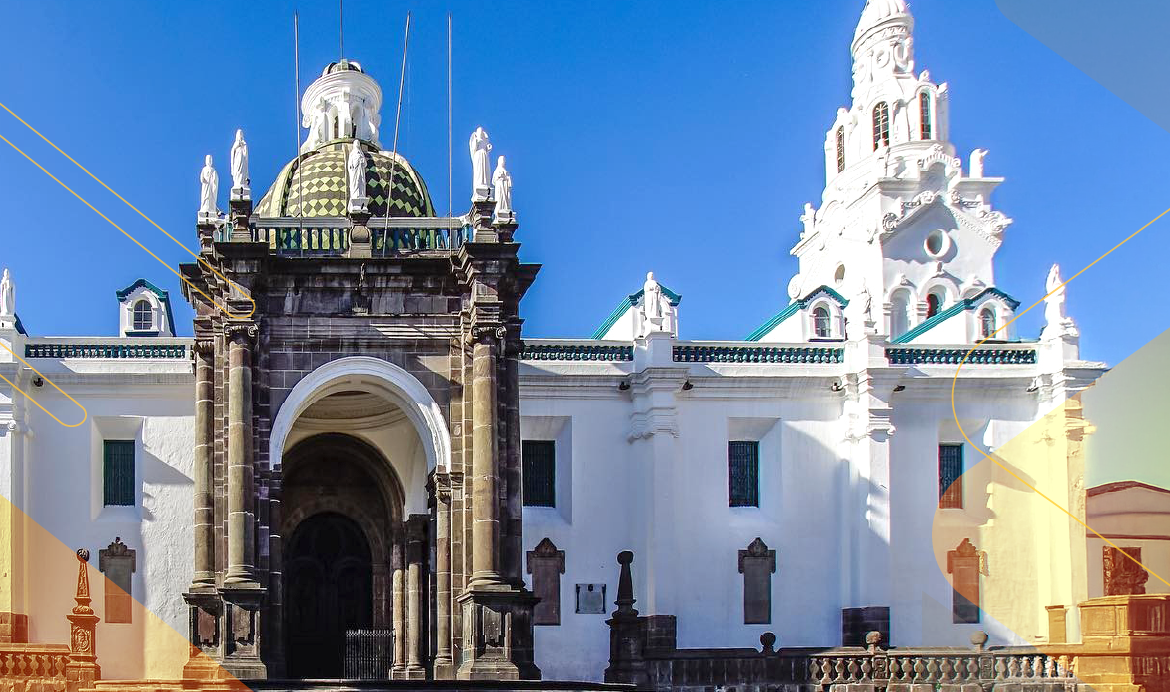
La Catedral Metropolitana
Some even say the tunnels reach all the way to El Panecillo, the iconic hill crowned by the winged Virgin—a theory that still fuels local legend.
A Hidden Love and a Daring Escape: The Tunnel of El Carmen Alto
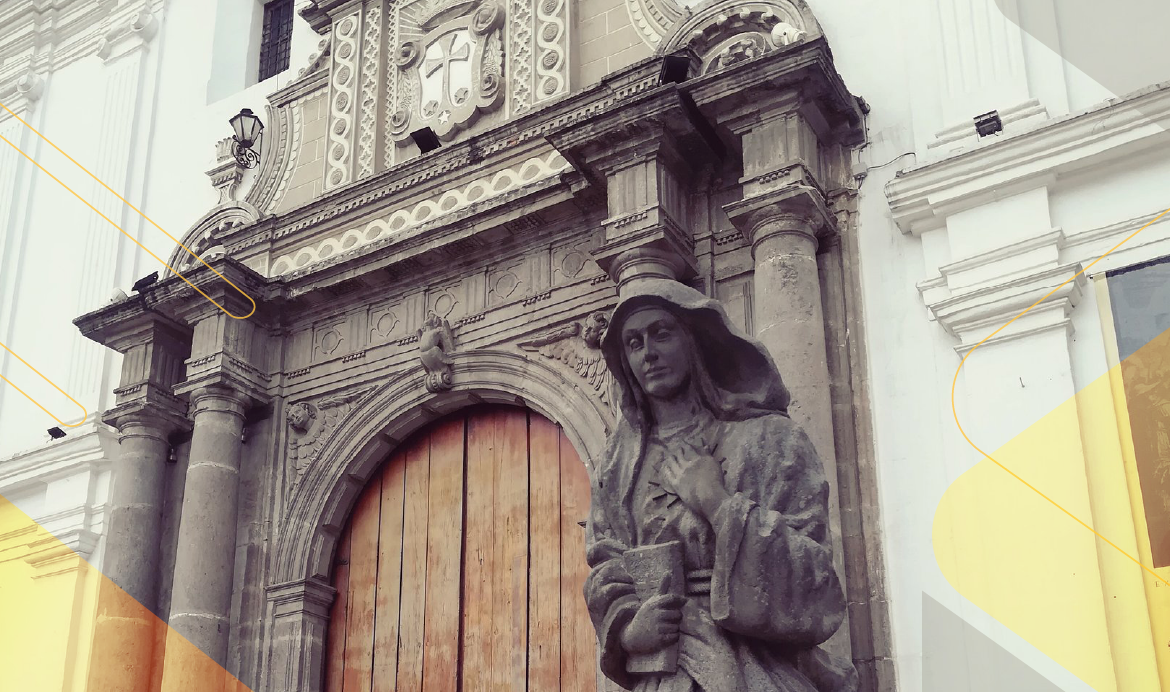
One of the most captivating stories linked to Quito’s tunnels is that of Sister Catalina, a young novice from the Convent of El Carmen Alto in the 18th century. According to historical accounts and oral tradition, Catalina fell in love with a soldier, an impossible affair under her vows of silence and enclosure.
Desperate to escape and reunite with him, she is said to have used a secret tunnel beneath the convent, which connected to nearby buildings in the historic centre. Some versions claim the soldier helped dig or reopen part of the passage at night.
The escape was eventually discovered, and Catalina’s fate remains unclear; some say she fled and vanished; others say she was caught and punished severely. What is certain is that the story became part of the convent’s oral history, and even today, certain tours to El Carmen Alto include whispered references to “la monja fugitiva” and her forbidden love.
This dramatic tale brings the tunnels to life, not only as architectural curiosities, but as stages for human stories full of emotion, risk and mystery.
What Can Travellers Expect?
For those lucky enough to access the tunnels through curated visits, the experience is atmospheric and educational. Narrow corridors, low ceilings, and dim lighting evoke the secrecy of the colonial era.These private or semi-private tours are ideal for:
- Culture-focused travellers who want to go beyond the surface
- History lovers and repeat visitors to Quito
- Small groups or incentive travellers seeking unique experiences
Clients looking to combine traditional visits with hidden gems
How to Include This Experience with ATC
At Andean Travel Company, we can coordinate tailor-made visits that include tunnel access (where permitted), led by local historians or specialised guides. Combine it with:
- A traditional walking tour of the Historic Centre
- Visits to churches with underground crypts
- Chocolate tastings or market strolls
- A storytelling evening or colonial dinner
Quito Holds Stories Beneath Its Stones
Every city has its secrets—but few cities offer them with as much atmosphere and authenticity as Quito. Invite your travellers to step off the main plaza and into a world of hidden histories beneath their feet.
Let’s build itineraries that surprise, engage and enlighten.
Read also: