
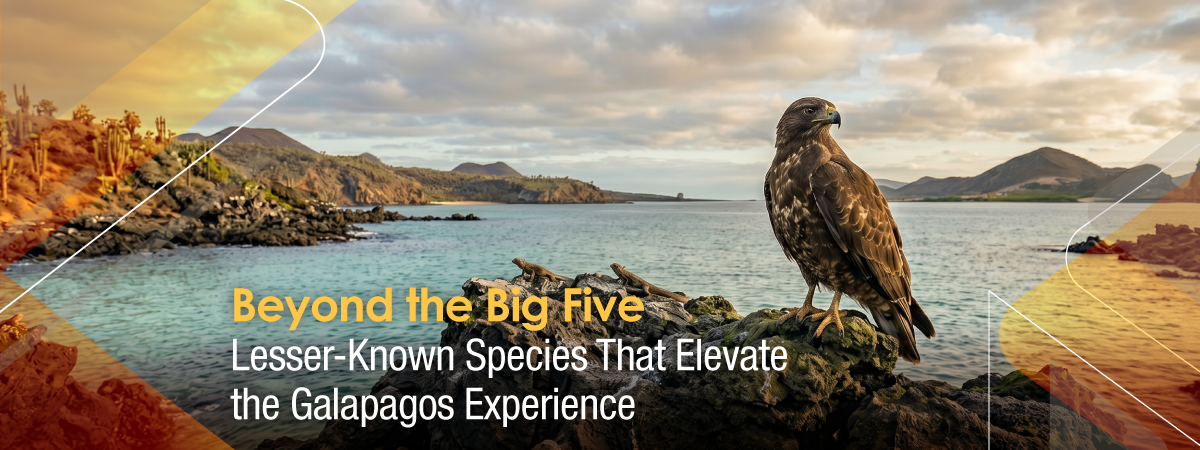
Beyond the Big Five: Lesser-Known Species That Elevate the Galapagos Experience
When travellers think of the Galapagos Islands, iconic species naturally come to mind — giant tortoises, blue-footed boobies, marine iguanas. These are the headline acts. Yet for today’s high-end traveller, particularly those who have explored other wildlife destinations, the true value of the archipelago lies beyond the expected.
Increasingly, what defines a memorable journey is not simply what is seen, but what feels rare, personal, and unexpectedly intimate. In this sense, the Galapagos reveal their true depth through lesser-known species, those that do not dominate brochures, yet quietly transform the experience into something far more refined and meaningful.
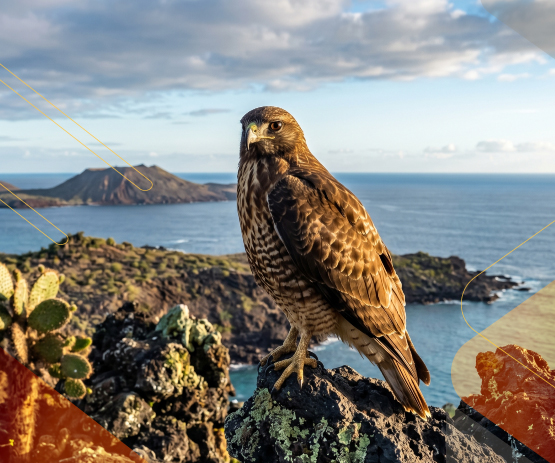
The Galapagos Hawk: A Rare Encounter with a Top Predator
As one of the only endemic birds of prey in the islands, the Galapagos hawk offers a different perspective on the ecosystem. Its presence speaks not of abundance, but of ecological balance. Sightings are relatively uncommon, which makes each encounter feel earned rather than guaranteed.
For travellers, this translates into a subtle but powerful shift from passive observation to active discovery. For travel designers, it becomes a narrative of rarity and privilege.
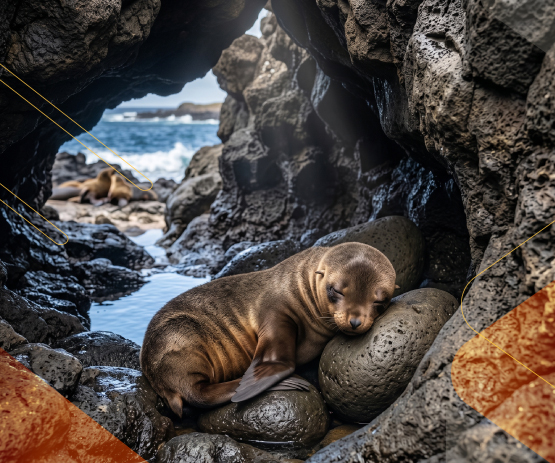
Galapagos Fur Seals: Intimacy in the Margins
Often overshadowed by their more visible relatives, the sea lions, Galapagos fur seals occupy quieter, more hidden environments — shaded grottos, rocky crevices, and secluded shores.
Their behaviour is notably more reserved, which makes close encounters feel remarkably intimate. Observing a resting pup tucked between volcanic rocks or witnessing their nocturnal activity patterns introduces a softer, more contemplative layer to the journey.
These are the moments that resonate most with travellers seeking authenticity over spectacle.
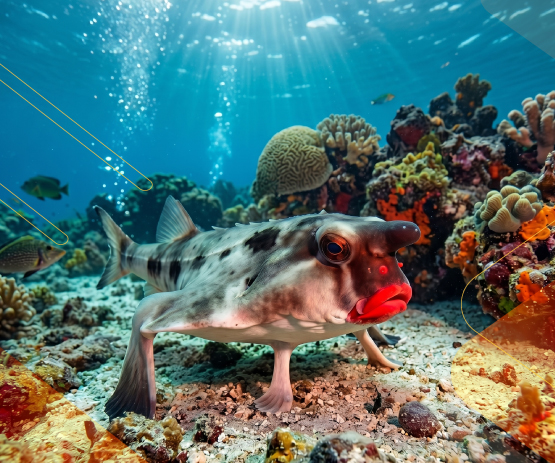
The Red-Lipped Batfish: The Unexpected Icon
Perhaps one of the most peculiar inhabitants of the Galapagos Marine Reserve, the red-lipped batfish challenges every expectation of marine life. With its distinctive appearance and unusual locomotion — “walking” along the ocean floor rather than swimming — it embodies the evolutionary uniqueness that defines the islands.
While not always easy to find, its presence adds a sense of discovery that elevates snorkelling and diving experiences. For seasoned travellers, it is precisely these unexpected encounters that remain most vivid long after the journey ends.
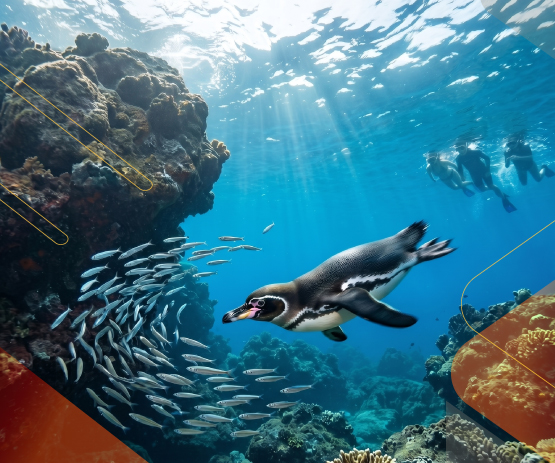
Galapagos Penguins: Rarity at the Equator
The Galapagos penguin is the only penguin species found north of the equator, a fact that immediately reframes the traveller’s understanding of the destination. Small, agile, and surprisingly fast underwater, they are best appreciated during active excursions, where their energy becomes part of the experience itself.
Their limited population and restricted distribution make each sighting feel exclusive, a reminder that not everything in the Galapagos is guaranteed, and that is precisely where its value lies.
From Sightings to Storytelling: A New Way to Sell Wildlife
For today’s travel professional, the shift is clear: wildlife is no longer just a checklist of species, but a curated narrative of encounters.
Lesser-known species play a critical role in this transformation. They:
- Introduce an element of surprise
- Reinforce the uniqueness of each itinerary
- Appeal to repeat and high-expectation travellers
- Elevate perceived value without altering logistics
In practice, this means moving beyond “what clients will see” and into “what they will feel, discover, and remember.”
Designing Experiences That Go Beyond the Expected
In the Galapagos, the difference between a good itinerary and an exceptional one often lies in the details — in the ability to anticipate not just the iconic, but the unexpected.
By integrating these lesser-known species into the narrative, travel designers can craft journeys that feel more exclusive, more thoughtful, and ultimately more aligned with the expectations of today’s luxury traveller.
Because in a destination as extraordinary as the Galapagos, it is often what travellers did not expect to see that defines what they will never forget.
Read also: