
Manabí & The Pacific Coast: Ecuador’s Best-Kept Culinary Secret
When travellers think of Ecuador, their imagination often gravitates towards the dramatic Andes or the singular biodiversity of the Galápagos Islands. Yet along the country’s Pacific shoreline lies a region that remains largely under the radar — and perhaps all the more compelling for it.
Manabí is not just a destination; it is a sensory experience shaped by flavour, tradition and an unfiltered connection to place. Increasingly, as global travel trends shift towards gastronomy-led journeys, this coastal province is emerging as one of Ecuador’s most authentic and commercially promising regions.
A Culinary Identity Rooted in Territory
In Manabí, food is not a performance — it is heritage. Recipes are passed down through generations, techniques remain largely unchanged, and ingredients are sourced locally, often within a matter of kilometres.
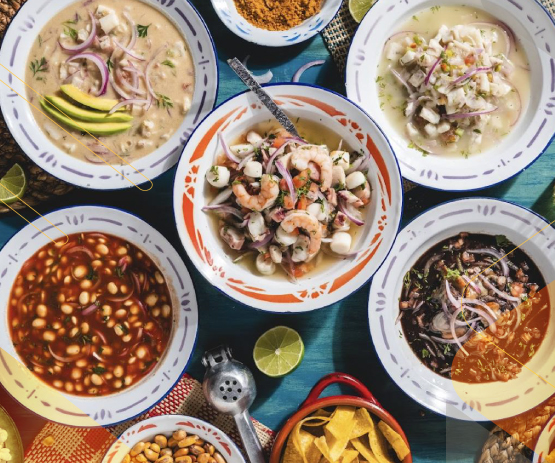
The cuisine is defined by its depth and simplicity: slow-cooked stews, wood-fired preparations, and a distinctive use of peanuts, green plantains and freshly caught seafood. Dishes such as corviche, encebollado or viche are not designed for presentation, but for flavour — bold, layered and deeply satisfying.
For travellers, this translates into something increasingly rare: a culinary experience that feels genuine rather than curated.
Beyond the Plate: A Cultural Landscape
What elevates Manabí beyond a gastronomic stop is the context in which these flavours exist.
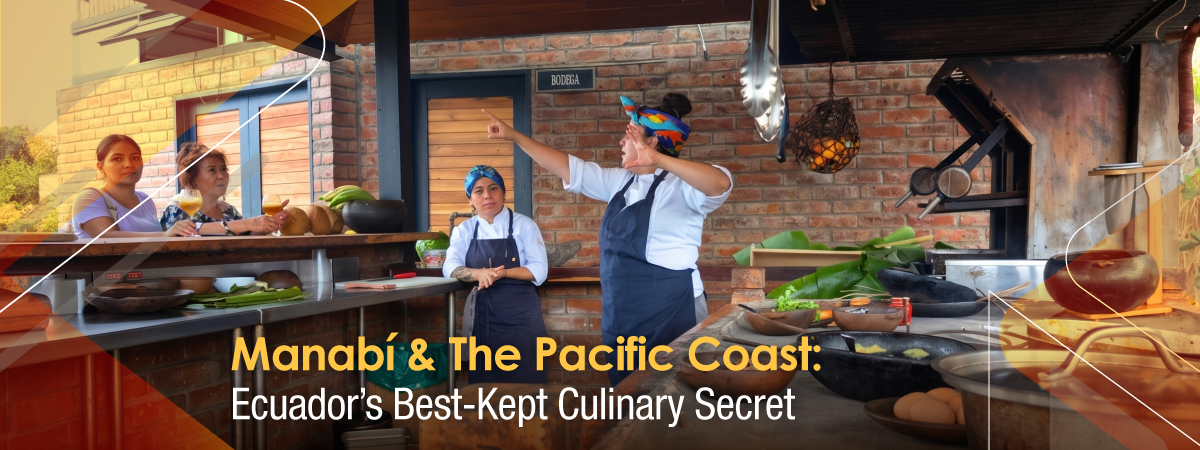
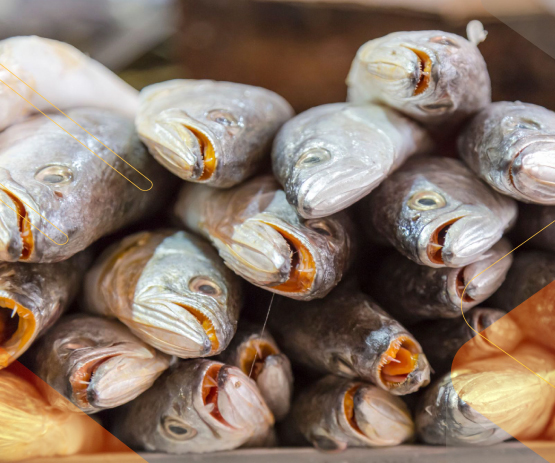
Morning visits to local markets reveal the rhythm of daily life — fishermen bringing in the day’s catch, vendors preparing ingredients using traditional methods, and communities interacting in ways that feel unchanged by time. Cooking here is not confined to restaurants; it is embedded in homes, streets and open-air kitchens.
This creates opportunities for immersive experiences: from hands-on cooking encounters to visits with local producers, where travellers can understand not only what they are eating, but why it matters.
The Pacific Coast: Raw, Relaxed and Real
Complementing its culinary strength is a coastline that offers a different kind of luxury — one defined by space, authenticity and atmosphere rather than infrastructure.
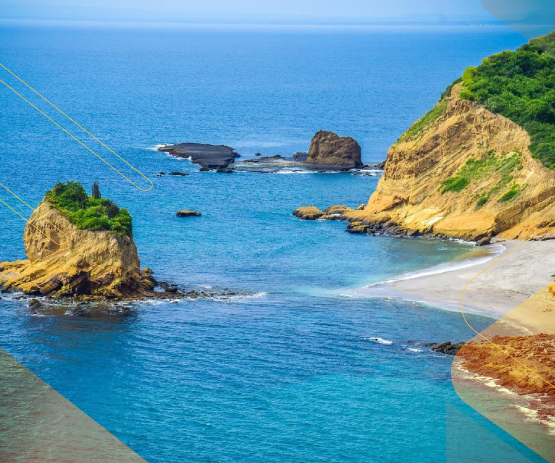
From the laid-back beaches of Los Frailes to the artistic energy of coastal towns and the quiet charm of fishing villages, the Pacific Coast invites travellers to slow down. It is a place where sunsets, ocean breezes and simple moments become part of the experience.
For high-end clients, this translates into a growing desire for destinations that feel undiscovered, yet accessible — a balance that Manabí delivers naturally.
The Rise of Culinary Travel — and Ecuador’s Untapped Potential
Globally, gastronomy has become one of the primary motivators for travel, particularly within the luxury segment. Travellers are no longer satisfied with fine dining alone; they seek context, origin and connection.
In this landscape, Manabí holds a unique advantage. It is not competing with established culinary capitals — it is offering something different: authenticity without overexposure.
This positions Ecuador not only as a destination of biodiversity, but as one of cultural and culinary depth — a narrative that remains underutilised in the international market.
Designing Journeys Through Flavour
Ultimately, what makes Manabí exceptional is not just what travellers taste, but what they take away.
It is the understanding that food can tell the story of a place more powerfully than any landscape. It is the connection with people whose identity is rooted in what they create. And it is the feeling of having discovered something that few others have.
For those designing journeys, this is where real value lies.
Because in a world where destinations compete for attention, it is often the least expected experiences that leave the most lasting impression.
Read also: