

What to Pack for a Trip to the Galapagos Islands: A Practical Guide
Packing for the Galapagos Islands requires a practical and responsible approach. The archipelago is remote, protected and shaped by changing ocean currents, volcanic terrain and sensitive ecosystems. What travellers bring should help them move comfortably between land, sea and boat-based excursions, while keeping their impact as low as possible.
The Galapagos can be visited year-round. The warm season, generally from December to May, brings higher temperatures and a greater chance of rain. The cooler dry season, from June to November, is often marked by milder temperatures, stronger winds, cooler waters and occasional mist in the highlands.
For travel designers, a clear packing guide helps set expectations before arrival. It prepares travellers for the rhythm of the islands: early starts, guided walks, snorkelling outings, wet landings, dry landings and relaxed evenings on board or in town.
Lightweight Clothing for Changing Conditions
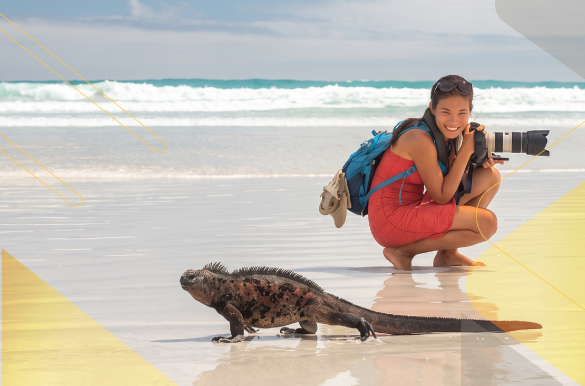
The best approach is to pack light, breathable clothing that can be layered. T-shirts, long-sleeved shirts, lightweight trousers, shorts and swimwear are all useful for itineraries that combine walks, beach time and snorkelling. Long sleeves can also provide extra sun protection during boat transfers and shore excursions.
A light jacket or windbreaker is important, even in a tropical destination. Boat rides can feel cool and breezy, especially during the cooler dry season or early in the morning. For visits to the highlands of Santa Cruz, San Cristóbal or Isabela, a light rain jacket can also be useful.
Footwear for Landings, Trails and Boats
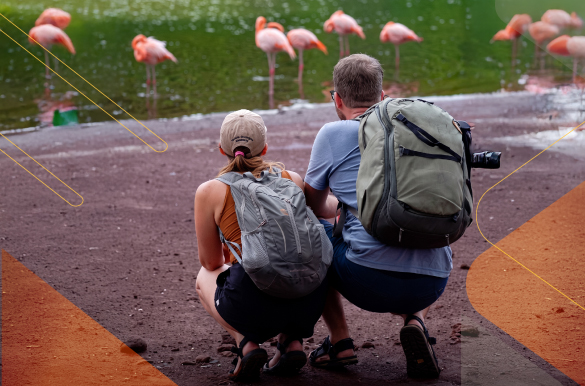
Footwear should be practical rather than formal. Comfortable walking shoes or trail shoes are recommended for volcanic paths, uneven terrain and longer guided walks. Sandals with good grip are useful for boats, beaches and relaxed time between excursions.
Many Galapagos itineraries include both dry landings, where travellers step onto a dock or rocky surface, and wet landings, where they step from a dinghy into shallow water before reaching the beach. Quick-drying footwear or water-friendly sandals can make daily excursions much more comfortable.
Sun Protection and Hydration
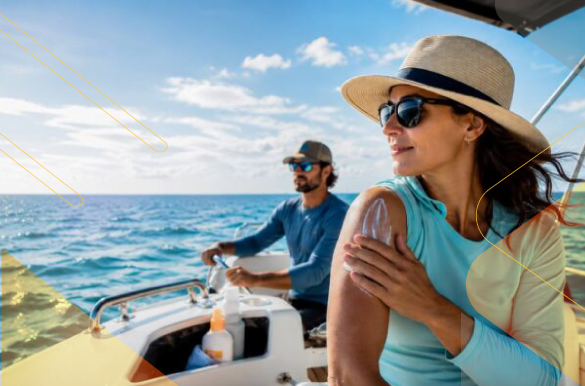
The equatorial sun in Galapagos can be strong, even on cloudy days. Travellers should pack a wide-brimmed hat or cap, sunglasses with UV protection and high-SPF sunscreen. A lightweight long-sleeved shirt or rash guard can also help reduce sun exposure during snorkelling and navigation.
A reusable water bottle is essential. Staying hydrated is important throughout the day, especially during walks, beach visits and boat transfers. It also helps reduce the use of single-use plastic in a destination where waste management is limited.
Snorkelling and Water Activities
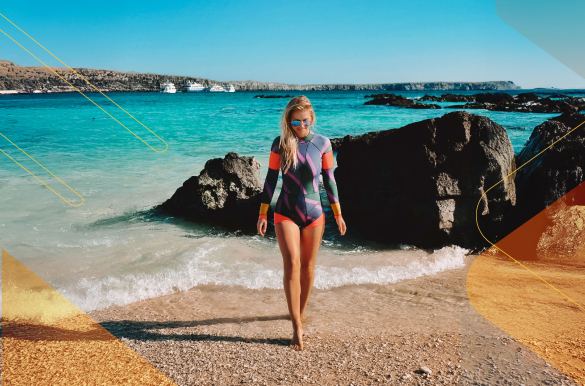
Snorkelling is one of the defining experiences of the Galapagos Islands. Travellers may encounter sea lions, marine iguanas, reef fish, rays, sea turtles and other marine life, depending on the site and season.
Most cruises and guided programmes provide snorkelling equipment, but some travellers prefer to bring their own mask for comfort and fit. A rash guard or swim shirt is highly recommended, and during the cooler season, a wetsuit may be useful. A small dry bag can also help protect phones, cameras and personal items during dinghy rides and beach landings.
Practical Accessories for Daily Excursions
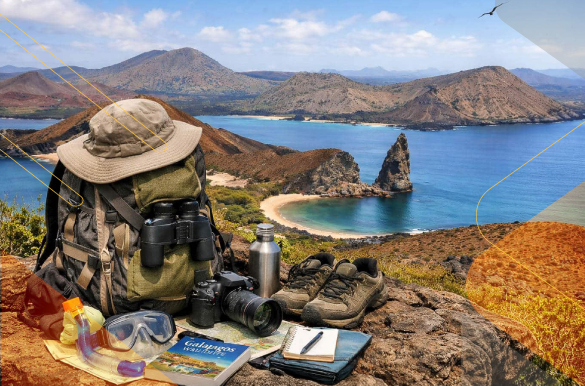
A small daypack is one of the most useful items for Galapagos. It allows travellers to carry water, sunscreen, insect repellent, a camera, extra layers and any personal medication needed during the day.
Binoculars are also worth considering, especially for travellers interested in birds and wildlife observation. While many species can be seen at close range, binoculars can enrich sightings from boats, cliffs, lagoons and coastal trails. A camera with enough memory and spare batteries is also useful for active days with limited charging time.
Packing with Biosecurity in Mind
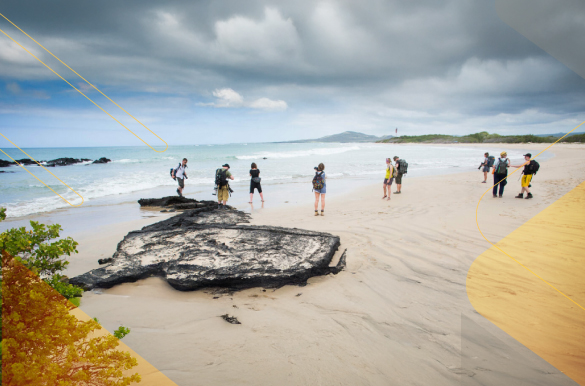
The Galapagos Islands are one of the world’s most carefully protected destinations. Travellers should check official biosecurity guidance before arrival and avoid bringing prohibited or restricted products into the islands.
Clothing, shoes, backpacks and outdoor gear should be clean before travelling. Seeds, soil or organic material caught in shoe soles, Velcro or luggage can pose a risk to island ecosystems. Packing responsibly is part of travelling responsibly.
What to Leave Behind
Galapagos is not a destination that requires heavy luggage, formal clothing or unnecessary accessories. Travellers should avoid single-use plastics, disposable items and products that generate avoidable waste.
It is also important to remember that natural elements should remain where they are. Visitors must stay on marked trails, follow local guidance and avoid removing plants, shells, rocks or any other elements from the environment.
A More Comfortable Way to Experience Galapagos
Packing well allows travellers to focus less on logistics and more on the experience itself: walking across volcanic landscapes, observing wildlife at close range, snorkelling in clear waters or watching the light change over the Pacific at the end of the day.
The most useful items are often the simplest ones: comfortable shoes, light layers, sun protection, a reusable bottle, a dry bag and respect for the place. In Galapagos, preparation is not about bringing more. It is about bringing what helps travellers move lightly, comfortably and responsibly through one of the world’s most extraordinary natural destinations.
For travel professionals, sharing clear packing guidance before departure can make the journey smoother from the start. It helps travellers arrive with the right expectations, the right essentials and a better understanding of the delicate environment they are about to enter.
Read also: