
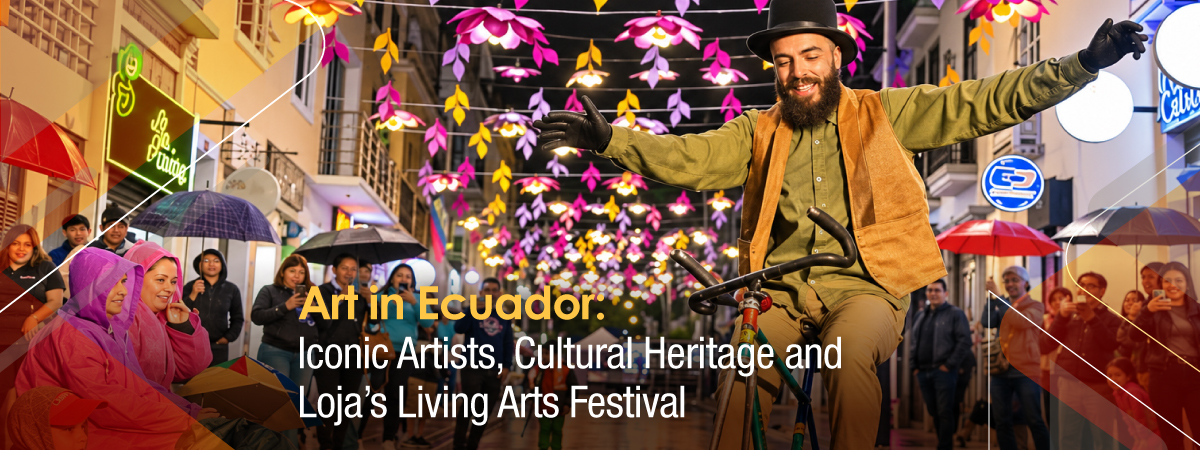
Art in Ecuador: Iconic Artists, Cultural Heritage and Loja’s Living Arts Festival
Ecuador’s artistic heritage tells the story of a country shaped by diverse cultures, centuries of history and an enduring spirit of creativity. From Indigenous craftsmanship and colonial religious art to contemporary painting, literature, theatre and music, its artistic identity reflects the people, traditions and landscapes that make each region distinctive.
Art in Ecuador is not confined to museums and galleries. It lives within historic churches, traditional markets, artisan workshops and public spaces where generations of knowledge continue to inspire new forms of expression. For travellers, discovering these artistic traditions offers a meaningful way to connect with the country, understand its history and encounter the cultural stories that remain part of everyday life
The Artistic Legacy of Ecuador
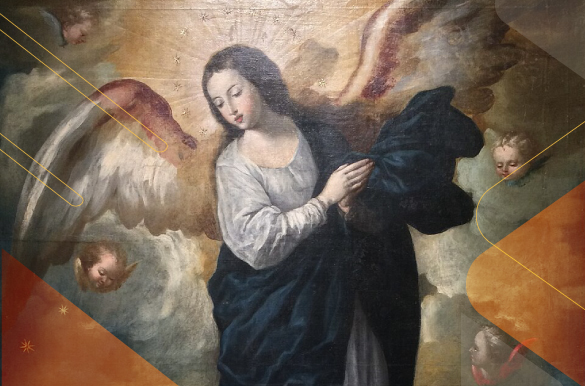
Ecuador’s artistic traditions have evolved through the meeting of Indigenous knowledge and European influences. During the colonial period, the Quito School of Art, known as Escuela Quiteña, emerged as an important centre of religious painting and sculpture. Its artists combined European techniques with local craftsmanship, materials and cultural influences, creating a distinctive artistic style.
This legacy can still be admired throughout Quito’s Historic Centre, particularly in churches and monasteries such as San Francisco and La Compañía de Jesús. Their richly decorated interiors, intricate wood carvings, sculptures and paintings reveal the remarkable skill of generations of artisans.
Walking through these historic spaces allows visitors to appreciate not only the beauty of colonial art but also the cultural influences and stories behind its creation. It is an opportunity to discover how different traditions came together to shape one of Ecuador’s most recognisable artistic expressions.
Iconic Ecuadorian Artists
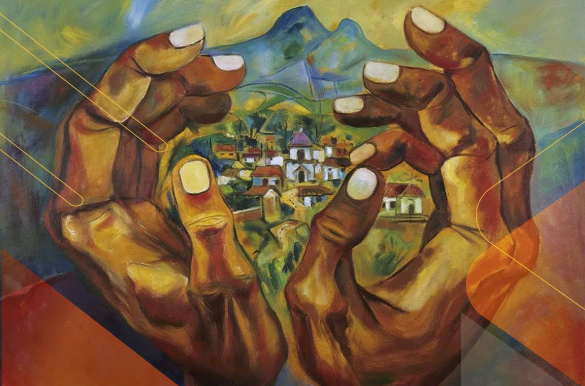
Ecuador’s artistic identity has been shaped by influential figures in painting, literature and music. Among its most recognised painters, Oswaldo Guayasamín explored human suffering, dignity and social justice through expressive portraits. From Loja, Eduardo Kingman became a leading figure in social realism, portraying Indigenous life and highlighting social inequalities through his distinctive artistic style.
Literature also holds an important place in Ecuador’s cultural heritage. Pablo Palacio, born in Loja, pioneered avant-garde writing, challenging traditional literary forms with innovative storytelling.
Music is deeply rooted in Loja’s identity. Composers Salvador Bustamante Celi and Segundo Cueva Celi contributed to Ecuadorian music through religious compositions and traditional melodies, particularly the pasillo. Edgar Palacios, a renowned trumpeter and composer, has further enriched this heritage through music education and cultural initiatives.
Together, these artists reflect Ecuador’s creative diversity and the enduring influence of painting, literature and music on its cultural heritage.
Loja: A City Connected to the Arts
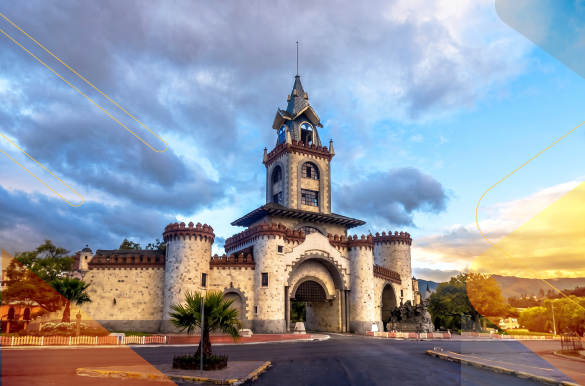
Located in southern Ecuador, Loja is widely recognised for its musical heritage and strong connection to literature and the performing arts. Its historic streets, theatres, cultural institutions and public spaces reflect a city where artistic expression remains closely connected to community life.
Music is particularly present in Loja’s identity. The legacy of its renowned composers and performers continues through concerts, cultural initiatives and music education, inspiring younger generations to explore and preserve local traditions.
Visitors can discover this creative atmosphere through the city’s cultural spaces, live performances and artistic activities throughout the year. Beyond its historic architecture, Loja offers an opportunity to experience a part of Ecuador where music, literature and the arts remain an important part of everyday life.
This connection between heritage and contemporary creativity has also established Loja as an important setting for cultural encounters, bringing together local talent and international artistic influences.
The International Festival of Living Arts of Loja
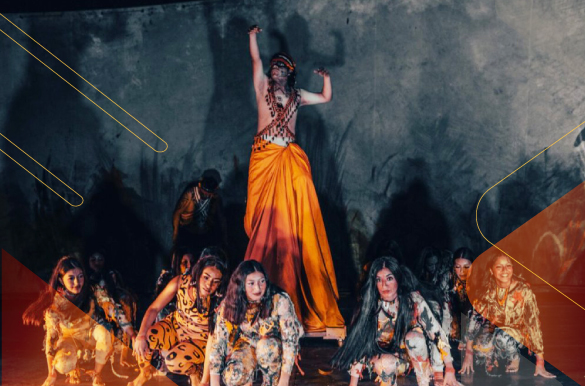
One of the most significant expressions of Loja’s artistic identity is the International Festival of Living Arts of Loja, known locally as Festival Internacional de Artes Vivas de Loja. Established in 2016, the festival has become one of Ecuador’s leading cultural events, bringing together national and international artists to celebrate theatre, dance, music, circus and other performing arts.
During the festival, Loja takes on a different atmosphere. Theatres, streets, squares and public spaces become stages for artistic performances, inviting residents and visitors to experience creativity beyond traditional cultural venues. From theatrical productions to open-air performances, the programme creates opportunities for audiences to encounter different artistic disciplines and cultural perspectives.
The 2026 edition takes place from 12 to 22 November, featuring more than 400 cultural and educational activities, with Germany as the guest country of honour. The event reinforces Loja’s position as a meeting point for artistic exchange, where local traditions connect with contemporary international expressions.
For travellers, experiencing the festival offers a different perspective on Ecuador. It is an opportunity to discover the city through its people, performances and cultural atmosphere, while becoming part of an event that celebrates creativity as a living expression of community.
Experiencing Ecuador Through Art
Art offers a different way to explore Ecuador, adding cultural depth to journeys that may also include history, gastronomy and natural landscapes. Across the country, visitors can discover artistic traditions through experiences that bring them closer to local communities and their creative heritage.
In Quito, exploring historic churches and colonial masterpieces reveals the craftsmanship and cultural influences behind the Quito School of Art. Further into the Andes, visiting artisan workshops offers opportunities to observe traditional techniques, discover locally made creations and learn about the knowledge passed down through generations.
In Loja, music, literature and performing arts provide another perspective on Ecuadorian culture. Attending a concert, exploring local cultural spaces or experiencing the International Festival of Living Arts allows visitors to connect with the city’s artistic character and contemporary creative scene.
For travel designers, these encounters can be incorporated into broader journeys, complementing visits to historic towns, traditional communities and natural destinations. The key is to allow time for meaningful experiences, whether through a guided cultural visit, a conversation with an artisan or an evening of live music.

Discover Ecuador Through Its Living Arts
Ecuador’s artistic identity continues to evolve, connecting ancestral knowledge with contemporary creativity. Its artists, artisans, musicians and communities preserve traditions while finding new ways to express their cultural heritage.
From the intricate details of the Quito School of Art to the expressive works of Guayasamín and Kingman, the musical traditions of Loja and the performances that bring its streets to life, every artistic expression reveals another dimension of the country.
For travellers seeking a deeper connection with their destination, discovering Ecuador through art means more than admiring beautiful works or visiting historic places. It means meeting the people behind the traditions, understanding the stories that inspire their creations and experiencing the cultural expressions that continue to shape Ecuador today.
Read also: