
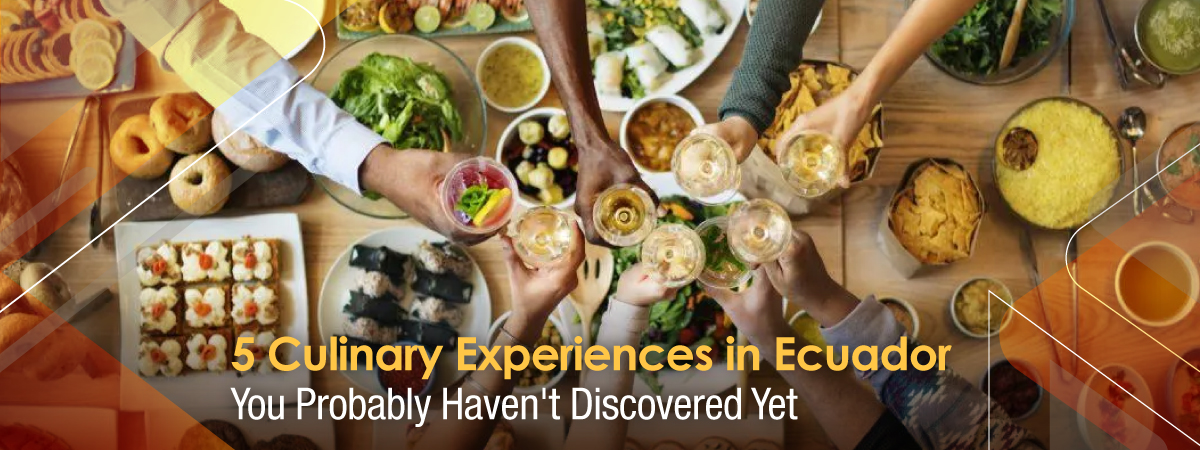
5 Culinary Experiences in Ecuador You Probably Haven’t Discovered Yet
Ecuador’s cuisine is as diverse as its landscapes. From the Pacific Coast and the Galapagos Islands to the highlands of the Andes, every region tells its own story through ingredients, traditions and recipes shaped by geography, climate and generations of local knowledge. Ocean currents, volcanic soils and fertile valleys have created a remarkable variety of flavours that reflect the country’s rich natural and cultural heritage.
For travel designers, gastronomy offers much more than memorable meals. It creates opportunities for travellers to engage with local communities, discover regional traditions and experience destinations through their people. Whether exploring a bustling market, sharing a family recipe or meeting the producers behind local ingredients, food adds another dimension to the journey, transforming an itinerary into a deeper cultural experience.
Cacao
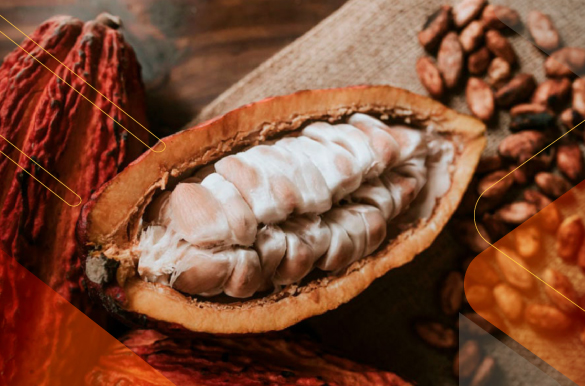
Few ingredients tell Ecuador’s story as powerfully as cacao. Archaeological discoveries in the upper Amazon reveal evidence of cacao use dating back more than 5,000 years, placing Ecuador among the earliest known centres of cacao domestication. Today, this ancient crop remains deeply connected to the country’s identity while continuing to earn worldwide recognition for its exceptional quality.
A cacao experience invites travellers to follow the journey from pod to bar, visiting plantations, fermentation facilities and artisan chocolate makers along the way. Beyond tasting chocolate, these encounters reveal the relationship between agriculture, history, local livelihoods and ancestral knowledge. Easily incorporated into coastal programmes, Amazon adventures, cloud forest escapes or even city stays, cacao offers a meaningful cultural experience that appeals to a wide range of travellers.
High-Altitude Coffee
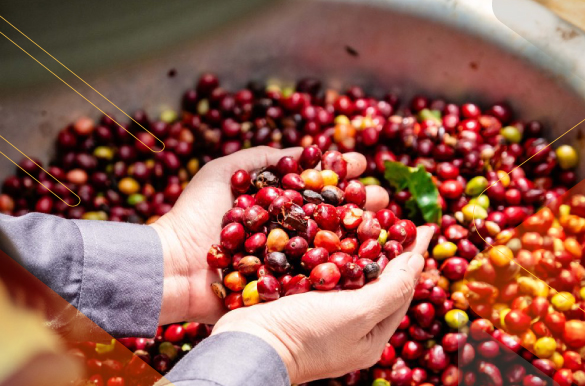
Ecuador’s specialty coffee scene is quietly earning international attention. Across the Andes, high elevations, volcanic soils and diverse microclimates create ideal conditions for producing distinctive coffees with unique regional character. Visiting these landscapes offers travellers an opportunity to discover a lesser-known side of Ecuador while connecting with the communities that cultivate them.
Coffee experiences reveal every stage of production, from cultivation and harvesting to roasting and cupping, while introducing travellers to the growers and artisans whose dedication shapes each cup. These visits fit naturally into rural itineraries, hacienda stays, scenic road trips and cultural programmes, offering moments of discovery that balance exploration with meaningful local encounters.
Galapagos Gastronomy
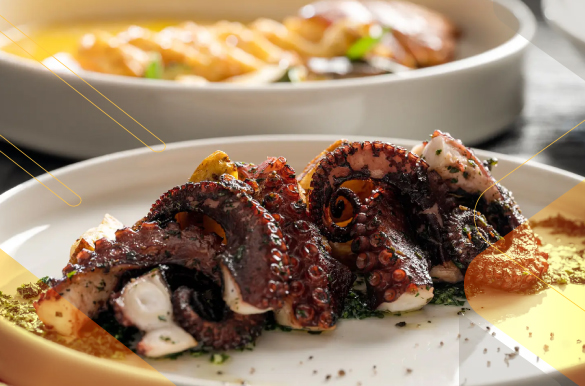
In the Galapagos, gastronomy reflects the rhythm of island life. Fresh seafood, locally grown produce and the culinary traditions of Ecuador’s Pacific Coast come together in a destination where sustainability and responsible sourcing play an essential role. Menus are often inspired by the surrounding ocean, featuring fresh fish, tropical fruits, plantains and flavours that celebrate the archipelago’s unique setting.
For travel designers, food should be presented as an extension of the Galapagos experience itself. After a day exploring volcanic landscapes or observing extraordinary wildlife, every meal becomes another opportunity to connect travellers with the islands. Showcasing Ecuadorian ingredients and regional recipes helps reinforce a genuine sense of place while enriching the overall travel experience.
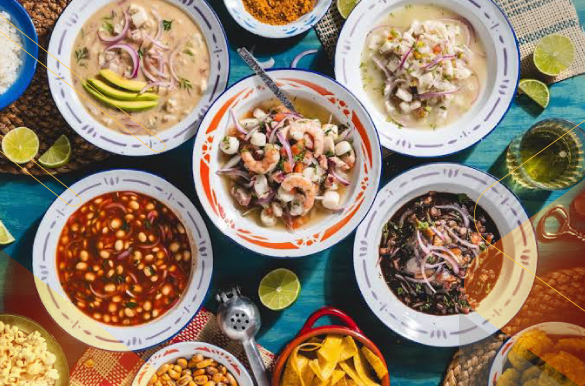
Manabí Gastronomy
Manabí is widely recognised as one of Ecuador’s most distinctive culinary regions. Here, the Pacific Ocean meets fertile farmland, creating a cuisine rooted in both land and sea. Traditional dishes such as viche, ceviche and corviche, together with the generous use of peanuts, green plantains, fresh seafood and seasonal produce, reflect a culinary identity that has been preserved for generations.
Yet Manabí’s appeal extends well beyond its cuisine. Local markets, fishing villages, traditional kitchens and family-run businesses invite travellers to experience the stories behind every dish. Combined with the region’s relaxed coastal atmosphere, these encounters make Manabí an excellent addition to cultural journeys, family holidays, soft adventure programmes and itineraries centred on authentic local experiences.
Azuay Gastronomy
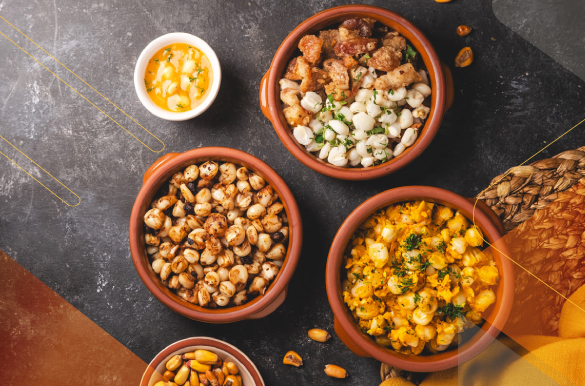
In Ecuador’s southern Andes, Azuay offers a culinary tradition deeply connected to its landscapes and communities. Around Cuenca and the surrounding countryside, recipes passed down through generations celebrate simple ingredients such as corn, mote, potatoes, pork, cheese and traditional sweets, each reflecting the region’s strong cultural heritage.
Exploring Azuay through its food allows travellers to discover everyday traditions that define life in the Andes. Local markets, family kitchens and festive recipes reveal the importance of sharing meals as part of community life. Paired with Cuenca’s historic centre, artisan workshops and nearby rural landscapes, these culinary experiences naturally complement cultural itineraries while offering a genuine connection to southern Ecuador.
Why Gastronomy Matters for Ecuador Itineraries
Food has the power to reveal a destination in ways that landscapes alone cannot. Across Ecuador, every region offers flavours, traditions and stories that help travellers build a stronger connection with the places they visit. Cacao introduces ancient heritage and agricultural traditions. Coffee highlights craftsmanship and life in the highlands. The Galapagos presents a cuisine shaped by island ecosystems and responsible sourcing. Manabí showcases one of the country’s richest coastal food cultures, while Azuay reflects the warmth and traditions of the Andean south.
For travel professionals, this diversity creates endless opportunities to design more engaging programmes. Culinary experiences can become the focus of an itinerary, enrich a regional extension or simply add memorable moments throughout a broader journey. By weaving gastronomy into the travel experience, itineraries become more immersive, more personal and more closely connected to the people, cultures and landscapes that make Ecuador truly unique.
Read also: