
Spotlight of the Month – December
Sacred, Joyful and Full of Fire: How Ecuador Celebrates the Holidays
In Ecuador, the holiday season is not simply a festive break — it’s a time when faith, memory, identity, and renewal take to the streets in spectacular fashion.
From devotional processions and luminous nativity scenes to the burning of fire-lit effigies and coastal street carnivals, December is one of the most emotionally rich and visually captivating times to visit Ecuador.
Christmas in Ecuador: Devotion in Motion
While Christmas in many parts of the world centres on gifts and decorations, in Ecuador it is a deeply spiritual and communal celebration. The essence of the season lies in nativity traditions, music, symbolism, and family-rooted rituals, many of which unfold in public spaces with ancestral flair.
Pase del Niño: A Ritual of Identity, Devotion, and Andean Memory
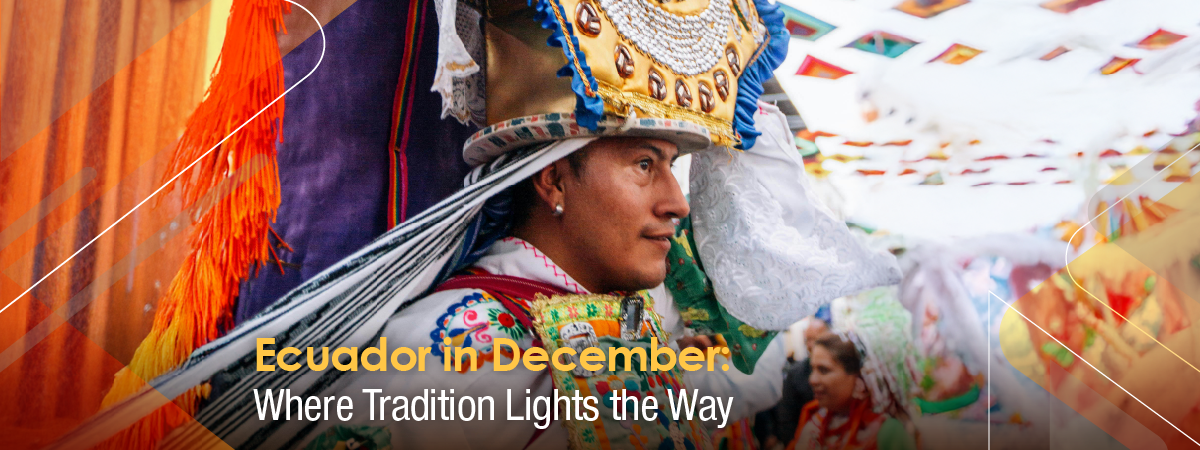
In the Ecuadorian Andes, Christmas isn’t just celebrated — it’s performed. The Pase del Niño is one of Ecuador’s most emblematic and moving Christmas traditions: a vibrant, multi-layered procession that transforms city streets into sacred stages.
But this is no ordinary parade. It is a living ritual, where Catholic imagery, indigenous symbolism, and community theatre merge into a powerful expression of faith, resistance, and cultural identity.
A Street Turned Sanctuary
At the front, we see the Priostes, devout community members who carry the image of the Niño Jesús with reverence — the Christian centre of the ritual. But walking beside them is the Danzante, adorned with a radiant mirrored headdress evoking pre-Hispanic solar deities — a reconfiguration of ancestral power within a new faith narrative.
Each Character Has a Symbolic Role
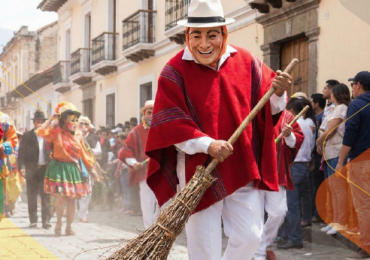
El Capariche: Sweeps the road ahead — not just literally, but spiritually — purifying the way for the sacred.
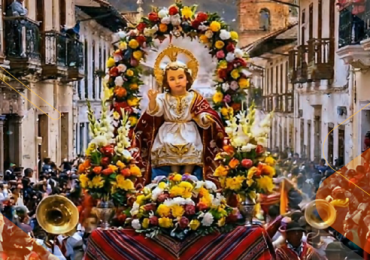
Niño Jesús (Baby Jesus): The divine centre of the walk — a symbol of innocence, blessing, and communal devotion.
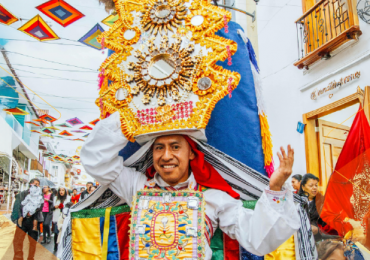
Danzantes: Their dazzling regalia of mirrors and gold recalls ancient solar deities, now part of a sacred hybrid ritual.
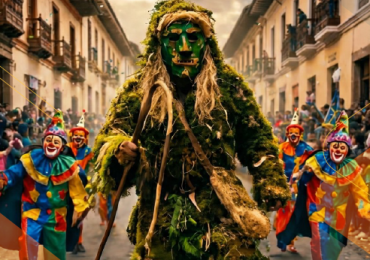
El Hombre de Musgo (Sacha Runa): Covered in moss and branches, he walks as the spirit of the forest — a reminder of nature’s living soul.
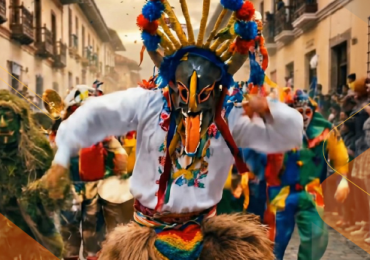
Diablo Huma: The energy of Andean duality that clears the path of negative energies.
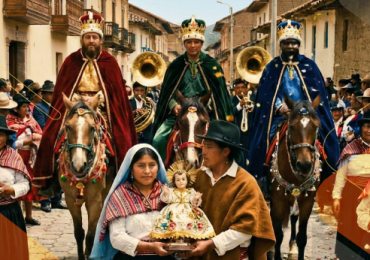
Biblical Figures (Mary, Joseph, Angels, Wise Men): Represent the spiritual core of Christian devotion.
The Pase is not a performance, but a social drama that brings together entire communities in a walk of identity and gratitude.
Other Christmas Traditions That Illuminate the Season
Across Ecuador, December comes alive with traditions that bring light, sound and flavour to public life:
Nativity Scenes (Nacimientos)
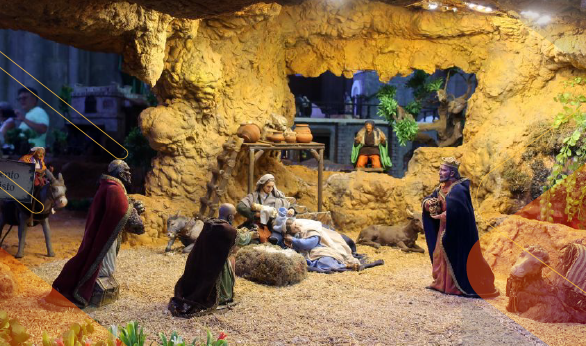
Homes, churches and plazas display elaborate nativity scenes, some mechanical and grand. In Quito, visit El Belén, La Compañía, or San Francisco for historic displays with Baroque detail and Andean interpretations.
Villancicos (Carols)
From schoolyards to public squares, groups sing villancicos in Spanish and Kichwa, often accompanied by guitars or flutes. These festive songs combine European melodies with Andean rhythm and community joy.
Christmas Markets
Quito, Cuenca and Loja host artisanal fairs, where visitors can buy handmade ornaments, figurines, woollen crafts and seasonal sweets like mistelas or buñuelos con miel.
Lights & Public Events
Entire neighbourhoods decorate their balconies. Quito’s Festival de Luces, held in the Old Town, brings installations and projections to churches and plazas, attracting artists and visitors from around the world.
New Year’s Eve in Ecuador: Fire, Renewal and Joy
If Christmas is sacred and serene, New Year’s Eve in Ecuador is wild, theatrical, and filled with fire. It’s a night of release — both literal and emotional.
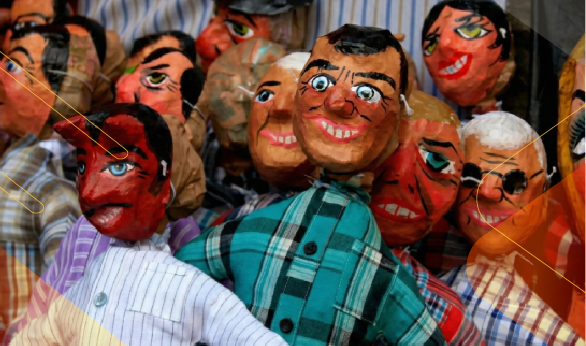
Año Viejo Monigotes (Effigies of the Old Year)
The most emblematic New Year’s tradition in Ecuador is the burning of “Año Viejo” effigies — large handmade figures made from cardboard, paper and sawdust.
Their purpose is more than spectacle: they symbolise catharsis, closure, and cultural reflection. By burning the monigote at midnight, people release the bad, honour the good, and clear the path for a new beginning.
This tradition has roots in indigenous and colonial practices of burning symbolic objects to purify space and welcome new cycles. Over time, it merged with Catholic notions of repentance and rebirth, evolving into the joyful, fire-filled ritual seen today.
Figures can be humorous or critical — politicians, superheroes, pop icons, even representations of one’s own year. Families and neighbourhoods often build them together, creating a shared ritual of memory and release.
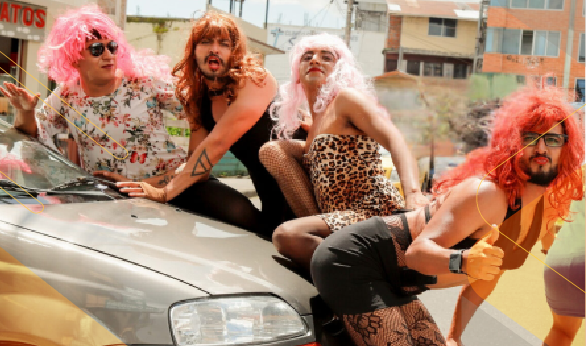
The Widows (Las Viudas)
Accompanying the burning of the effigies is the irreverent tradition of “Las Viudas” — young men dressed as exaggerated, comical widows who take to the streets in mourning… for the Año Viejo.
Originating from satirical street theatre and folk carnival traditions, the Viudas mock gender norms, authority, and social structures while adding humour and chaos to the celebration.
They dance, stop traffic, ask for coins, and flirt with passers-by — all while “grieving” the effigy that will soon be set alight.
This ritual plays with inversion and renewal — a moment where social roles are reversed, and humour becomes a tool for collective cleansing and joy.
Quito vs. Guayaquil: Two Cities, Two Celebrations
Quito
- Neighbourhood bonfires and family gatherings
- Fireworks from panoramic hills like El Panecillo, Itchimbía or Guápulo
- Intimate, introspective, often accompanied by traditional music or cleansing rituals
Guayaquil
- Giant monigotes lining main avenues like Av. 9 de Octubre
- Concerts and fireworks along Malecón 2000
- Open-air street celebrations that last until dawn
Why Travel to Ecuador in December?
- Access to authentic, open-air cultural events
- Perfect for cultural travellers, families, and photographers
- Seamless pairings with Galápagos, Andes or Amazon pre- or post-holiday
- Deep connection to ancestral practices and living traditions
Travel with Meaning, End the Year in Celebration
December in Ecuador is more than a season — it’s a journey into identity, faith, and joyful renewal.
Let your travellers discover rituals that move the soul and festivities that light up the streets.
Let’s build holiday journeys that are heartfelt, emotional, and unforgettable.
Read also: