

Wildlife Wonders of the Galapagos:Iconic Species and Where to Find Them
For travellers seeking raw, unscripted nature, few destinations compare to the Galápagos Islands. This remote volcanic archipelago is home to some of the world’s most unique species, many found nowhere else on Earth.
Whether your clients are wildlife enthusiasts, photographers, families or slow travellers, understanding where and when to spot key species will help you design tailored, high-impact itineraries.
Here’s your expert guide to the most iconic and surprising species of the Galápagos, and the best islands to find them.
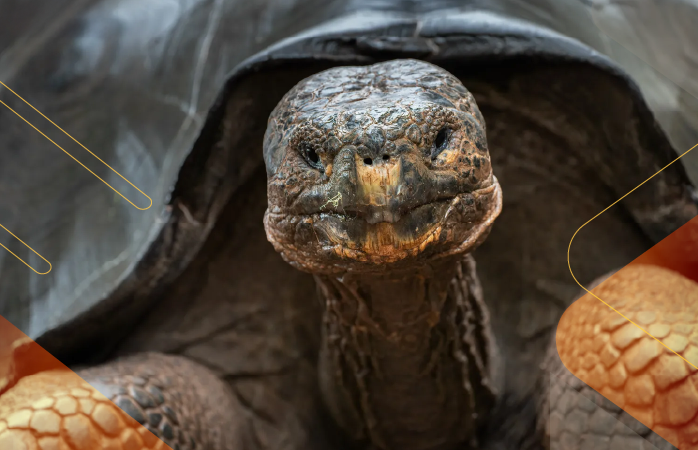
Galapagos Giant Tortoise
Where: Santa Cruz, San Cristóbal, Isabela
Symbol of the islands, these slow-moving reptiles can weigh over 250 kg and live more than 100 years. Found in highland reserves or breeding centres, they’re a must-see for any visitor.
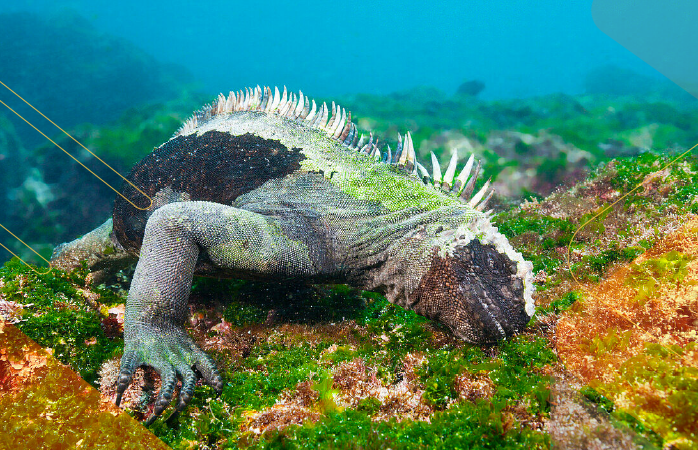
Marine Iguana
Where: Fernandina, Isabela, Española, Santa Cruz
The only sea-swimming lizard in the world, they bask on black lava rocks before diving to graze on algae. Española’s iguanas have a unique red and green hue during mating season.
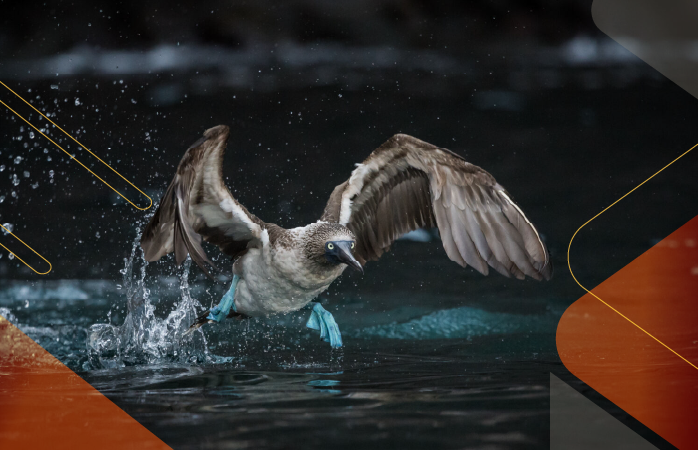
Blue-Footed Booby
Where: North Seymour, Santa Cruz, Isabela, San Cristobal
Known for their bright turquoise feet and clumsy courtship dances. Easy to spot year-round, especially during nesting season (June-August).
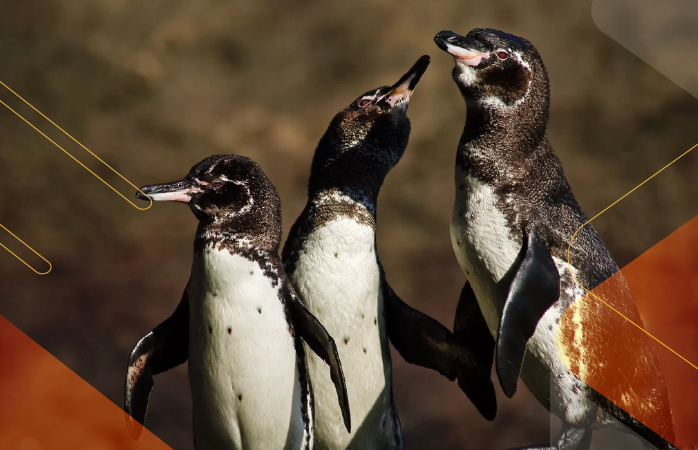
Galapagos Penguin
Where: Isabela, Fernandina, Bartholomew
The northernmost penguin species on Earth, often seen darting underwater while snorkelling. Bartolomé offers great chances for close encounters.
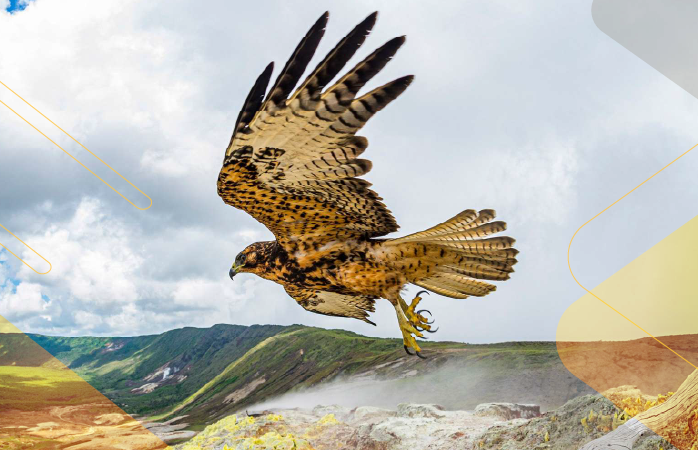
Galapagos Hawk
Where: Española, Fernandina, Isabela
The apex predator of the islands. With keen eyesight and a calm demeanour, it often perches quietly, watching over its domain.
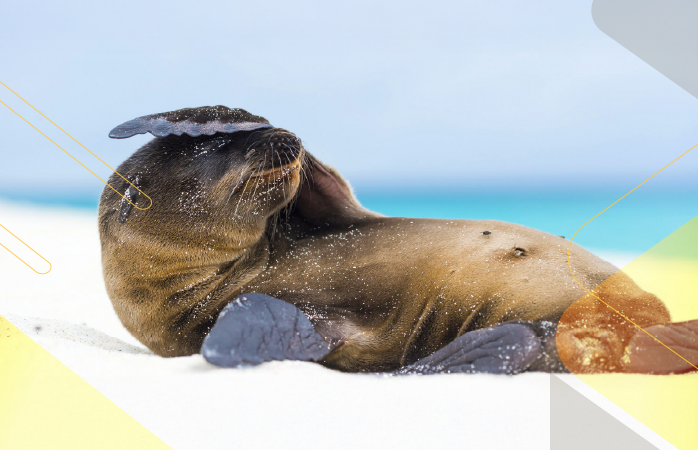
Galapagos Sea Lion
Where: All major islands, especially San Cristóbal and Santa Fe
Playful and vocal, they’re a favourite among travellers. Frequently seen sunbathing on docks, benches or swimming beside snorkellers.
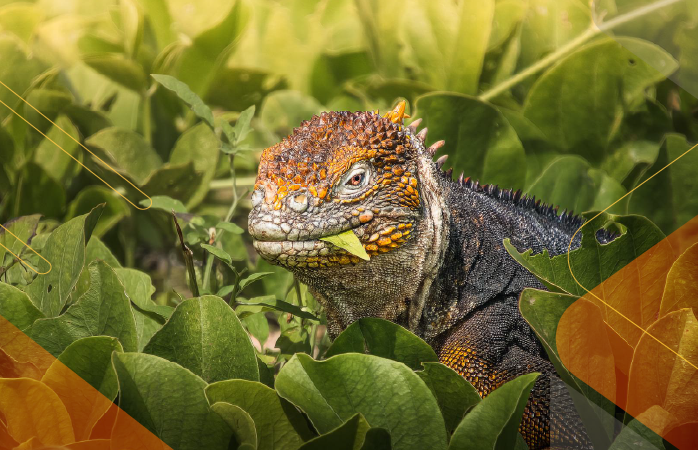
Land Iguana
Where: North Seymour, South Plaza, Santa Cruz highlands
These large, golden-yellow reptiles are terrestrial cousins of marine iguanas. Watch them bask near cacti or slowly patrol open terrain.
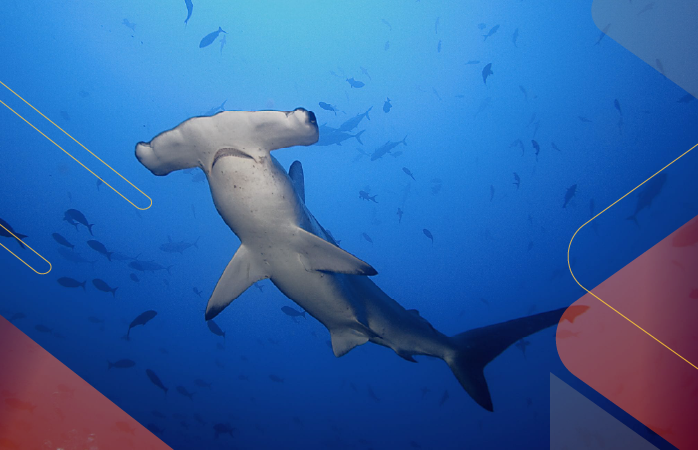
Hammerhead Shark
Where: Kicker Rock (San CristObal), Gordon Rocks (Santa Cruz)
For diving travellers, swimming among schools of hammerheads is the experience of a lifetime. These elusive predators are most common from June to November.
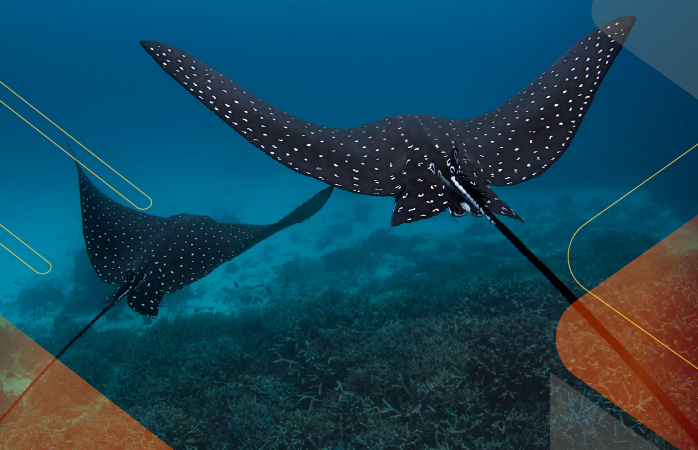
Manta Rays & Spotted Eagle Rays
Where: Punta Vicente Roca, North Seymour, Floreana
Graceful and massive, mantas glide through the currents with elegance. Often spotted while snorkelling or diving in nutrient-rich channels.
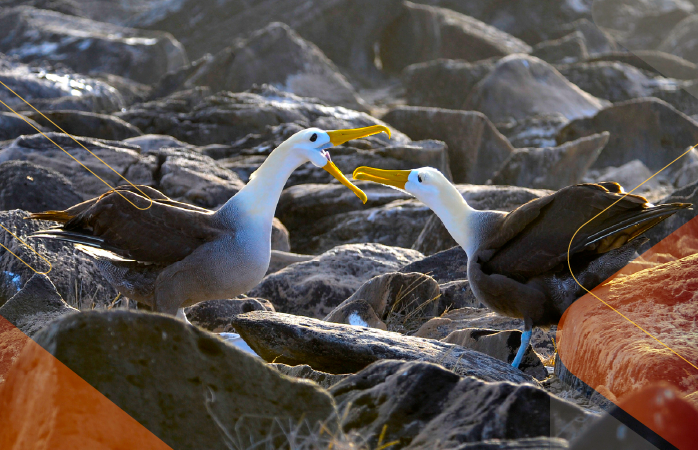
Waved Albatross (seasonal)
Where: Española Island
The only albatross species found in the tropics. From April to December, Española becomes their exclusive nesting site one of the most spectacular natural events in Galápagos.
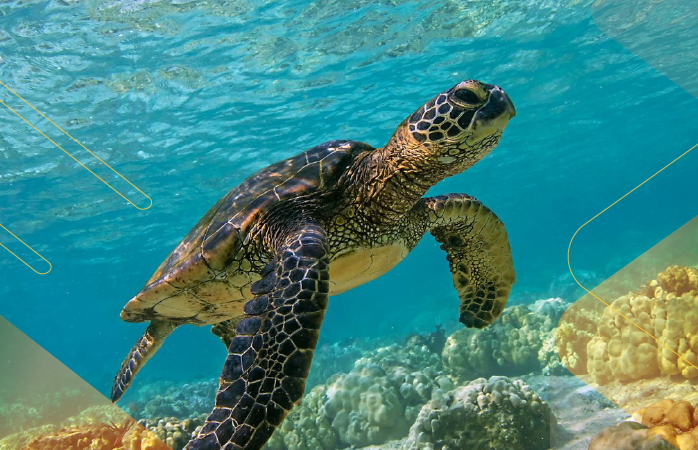
Green Sea Turtle
Where: Tortuga Bay, Bachas Beach, Isabela
Often seen while snorkelling, especially in sheltered bays. Nesting season runs from December to March, but they’re present year-round.
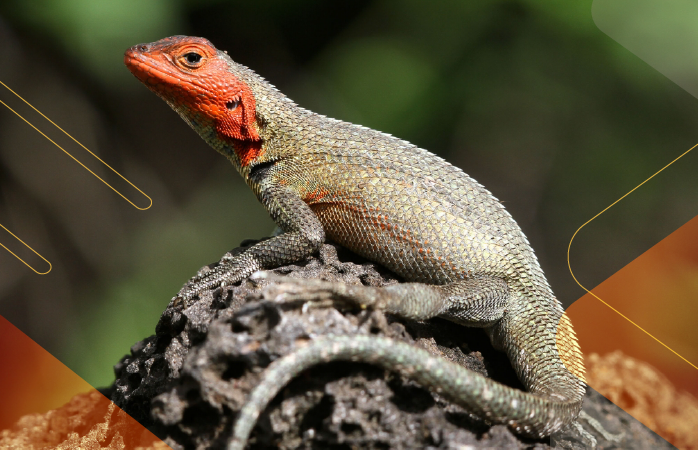
Lava Lizards
Where: Across most islands
Lava lizards are abundant and surprisingly photogenic. The islands also host colourful endemic butterflies and beetles, ideal for macro photography clients.
Why Choose ATC for Galapagos Programmes
Our on-the-ground expertise and strong relationships with naturalist guides allow us to craft custom itineraries that prioritize conservation, exclusive access, and exceptional quality. Whether it’s a family vacation, a land-based nature escape, or a cruise, we help your clients connect with Galapagos wildlife like never before.
Ready to co-create the perfect wildlife itinerary? Let’s plan it together. Contact us today!
Read also: