
Guayaquil: History, Traditions and Cultural Expressions
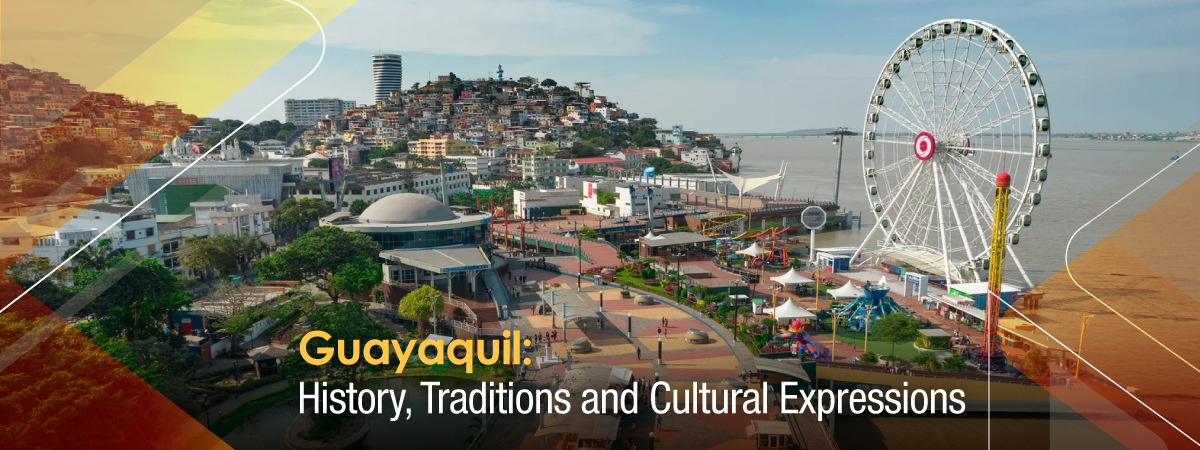
Along the banks of the Guayas River, Guayaquil has developed an identity shaped by trade, history, music and coastal traditions. Its colourful neighbourhoods, historic landmarks and lively streets reveal a city whose cultural heritage remains closely connected to everyday life.
October is a particularly meaningful month for Guayaquil. Two important dates, Ecuadorian Pasillo Day on 1 October and Guayaquil’s Independence Day on 9 October, highlight the city’s contribution to Ecuador’s history and cultural identity. For travellers, these celebrations offer an opportunity to discover a different side of Ecuador’s largest city, beyond its role as a gateway to the Galapagos Islands.
9 October: A City Shaped by Independence
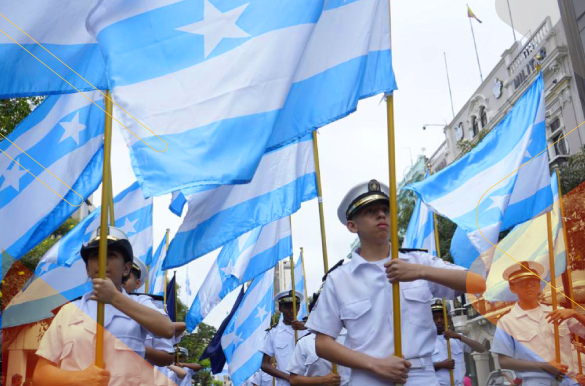
On 9 October 1820, Guayaquil declared its independence from Spanish rule, marking a decisive moment in Ecuador’s history and contributing to the wider independence movement in South America. The city became an important centre of political and social transformation, with figures such as José Joaquín de Olmedo playing a leading role in the development of the newly independent province.
Today, Independence Day remains one of Guayaquil’s most important civic celebrations. Throughout October, the city honours its history through commemorations, cultural activities and public gatherings. Historic squares, monuments and museums offer visitors an opportunity to understand the events that shaped Guayaquil and its lasting contribution to Ecuadorian identity.
1 October: The Pasillo and Ecuador’s Musical Heritage
Music is an essential part of Guayaquil’s cultural identity, particularly the pasillo, a traditional Ecuadorian genre known for its poetic lyrics, expressive melodies and themes of love, nostalgia and belonging. Every 1 October, Ecuador celebrates National Pasillo Day, commemorating the birth of Julio Jaramillo in Guayaquil in 1935, one of the country’s most influential musicians.
Recognised by UNESCO as Intangible Cultural Heritage of Humanity in 2021, the pasillo represents an important connection between music, poetry and national identity. In Guayaquil, its legacy can be explored through cultural performances, musical traditions and spaces such as the Julio Jaramillo Popular Music Museum, where visitors can discover the history of Ecuadorian popular music and its most celebrated performers.

Las Peñas: Where Guayaquil’s History Lives
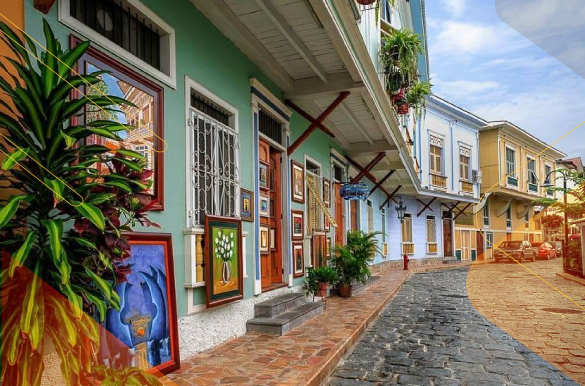
One of the most distinctive places to experience Guayaquil’s heritage is Las Peñas, a historic neighbourhood known for its colourful wooden houses, narrow streets and artistic character. Located at the foot of Cerro Santa Ana, the area preserves an important part of the city’s architectural identity, with galleries, cafés and cultural spaces contributing to its atmosphere.
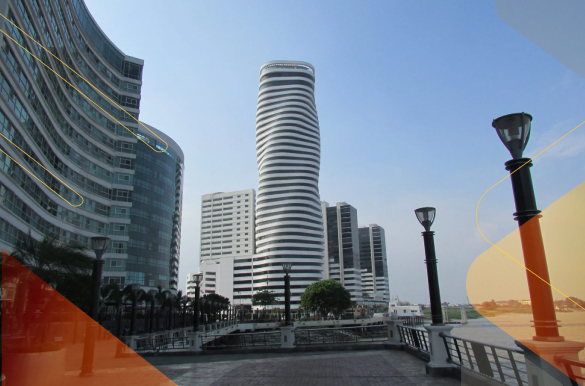
Nearby, the Malecón 2000 waterfront connects the city’s history with its contemporary urban life. Walking along the Guayas River, exploring historic neighbourhoods and visiting local museums allows travellers to discover Guayaquil at a more relaxed pace, where architecture, art and everyday traditions reveal different chapters of its development.
Gastronomy as a Cultural Expression
Guayaquil’s culinary traditions reflect its close relationship with the Pacific Coast, river ecosystems and generations of local cooking. Dishes such as encebollado, bolón de verde, ceviche and traditional crab preparations are part of the city’s identity, bringing together coastal ingredients and flavours that remain central to everyday life.
For travellers, exploring local markets, traditional restaurants and neighbourhood eateries, known as huecas, offers an opportunity to experience Guayaquil through its food. These encounters reveal family recipes, culinary knowledge and the importance of gastronomy as a social tradition, where meals often become moments of connection and conversation.

Why Guayaquil Deserves a Place in Ecuador Itineraries
Guayaquil is frequently included in Ecuador programmes as an arrival point or connection to the Galapagos Islands. Yet its history, cultural heritage and coastal character offer opportunities to create more enriching experiences beyond a simple overnight stay.
For travel designers, the city can add a valuable cultural dimension to broader Ecuador itineraries. Visits to historic neighbourhoods, museums, local markets and traditional restaurants can be combined into experiences that introduce travellers to the identity of the Ecuadorian Coast. October offers a particularly interesting context, when the country’s musical heritage and Guayaquil’s independence become central to the city’s cultural narrative.
A City Connected to Its Traditions
Guayaquil’s identity extends beyond its monuments and historic dates. It lives in the music passed between generations, the recipes prepared in family kitchens, the conversations along the riverfront and the traditions that continue to shape daily life.
For travellers seeking a deeper understanding of Ecuador, Guayaquil offers a perspective that complements the country’s natural landscapes. Its history, music and coastal heritage reveal a city where cultural traditions remain part of the present, adding depth and character to a journey through Ecuador.
Read also: