
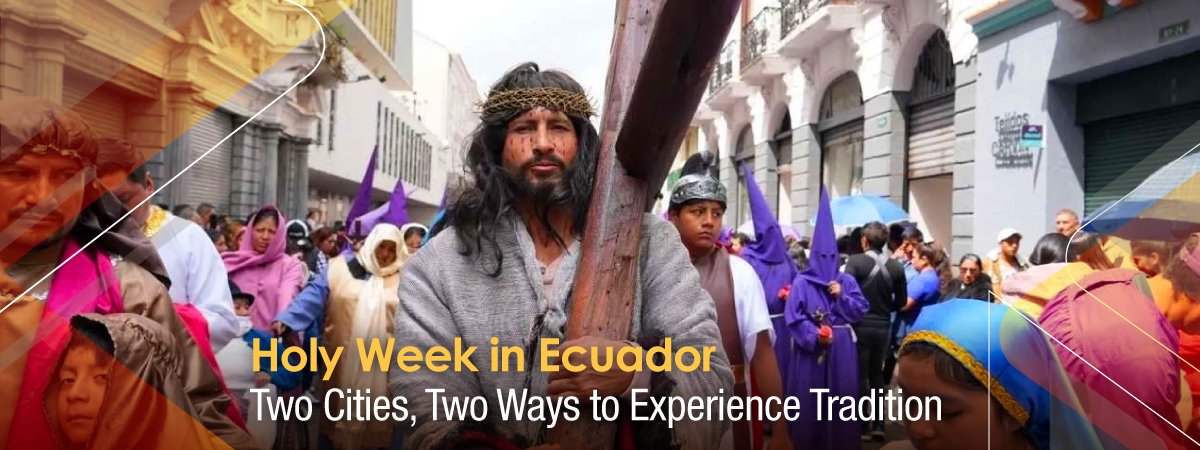
Holy Week in Ecuador: Two Cities, Two Ways to Experience Tradition
Quito and Guayaquil Through the Lens of Faith, Culture and Community
Holy Week in Ecuador is one of the most powerful cultural moments of the year. Yet what makes it particularly fascinating for travellers is that it unfolds in very different ways depending on where you are in the country.
Two cities illustrate this contrast beautifully: Quito and Guayaquil.
Both observe the same sacred calendar, yet their expressions of devotion, scale and atmosphere could not be more distinct.
For travel designers, understanding these differences allows you to match the right experience with the right traveller.
Quito: Ritual, History and Sacred Atmosphere
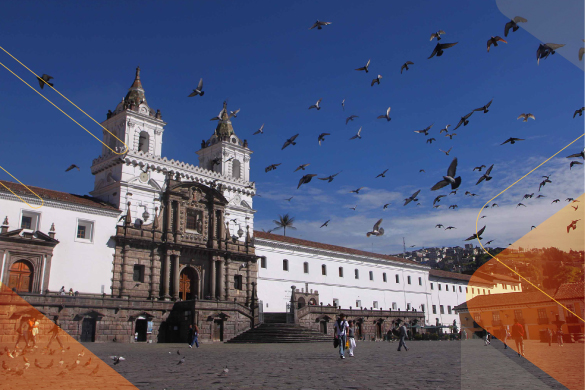
In Quito, Holy Week is deeply intertwined with the city’s colonial identity. The historic centre — one of the best-preserved in Latin America — becomes the stage for solemn rituals that have been performed for centuries.
The most iconic moment is the Good Friday procession known as “Jesús del Gran Poder.”
Thousands of participants walk through the narrow streets of the Old Town wearing purple robes and conical hoods, symbolising penance and reflection. The procession passes through historic churches and plazas, creating a visual and emotional experience that feels almost timeless.
For travellers, Quito during Holy Week offers:
- A rare opportunity to witness one of the most important religious processions in the Andes
- A powerful combination of architecture, ritual and atmosphere
- Cultural immersion within a UNESCO World Heritage historic centre
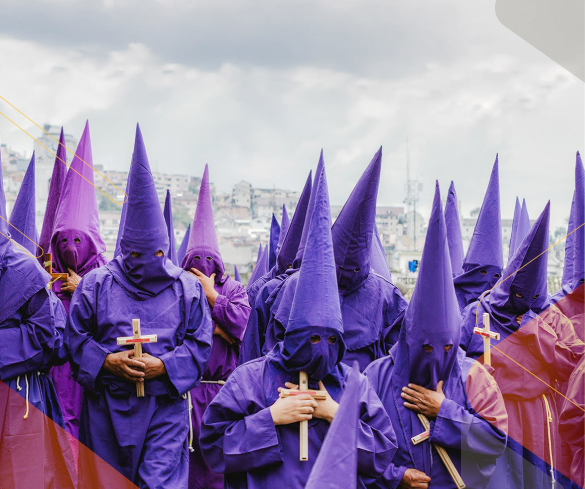
The experience is contemplative rather than festive. It invites visitors to slow down and observe how faith, history and identity intersect in everyday life.
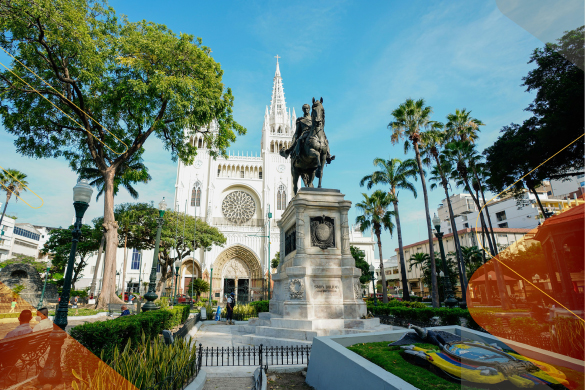
Guayaquil: Devotion at a Monumental Scale
While Quito’s Holy Week is rooted in colonial ritual, Guayaquil expresses devotion through sheer scale and energy.
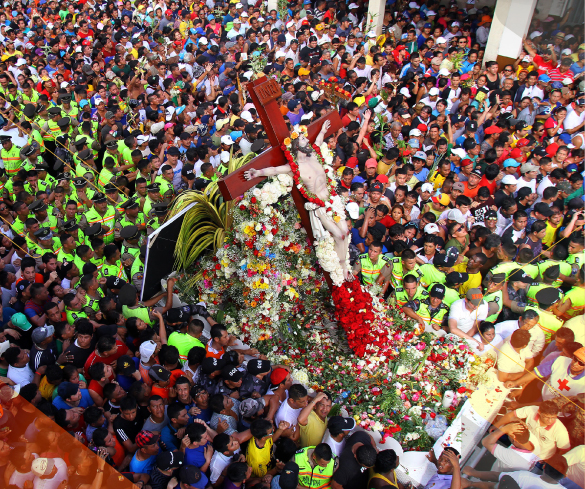
Every Good Friday, hundreds of thousands of people participate in the Cristo del Consuelo procession, one of the largest religious gatherings in Latin America.
Beginning in the southern neighbourhoods of the city and moving toward the Cristo del Consuelo sanctuary, the procession becomes a river of humanity. Families walk together, many carrying candles or images of saints, while others join in prayer or reflection along the route.
The atmosphere is deeply spiritual, but also communal and collective.
For travellers, Guayaquil offers a different perspective:
- One of the largest religious processions in the region
- A unique opportunity to witness faith expressed through community participation
- A dynamic contrast to the more solemn Andean traditions
Two Cities, Two Emotional Experiences
What makes Holy Week in Ecuador so compelling is that there is no single way to experience it.
In Quito, the focus is on heritage, ritual and symbolism.
In Guayaquil, it is about community, devotion and scale.
For travel planners, this creates valuable flexibility when designing itineraries.
Quito works well for travellers who are:
- Cultural explorers
- History enthusiasts
- Photographers and architecture lovers
- Travellers interested in contemplative experiences
Guayaquil appeals to:
- Travellers curious about large cultural gatherings
- Visitors seeking authentic community traditions
- Those wanting to experience Ecuador’s coastal identity
Designing a Meaningful Holy Week Journey
For many travellers, Holy Week can be more than a moment of observation — it can become the starting point of a broader Ecuador journey.
From Quito, programmes can extend naturally toward:
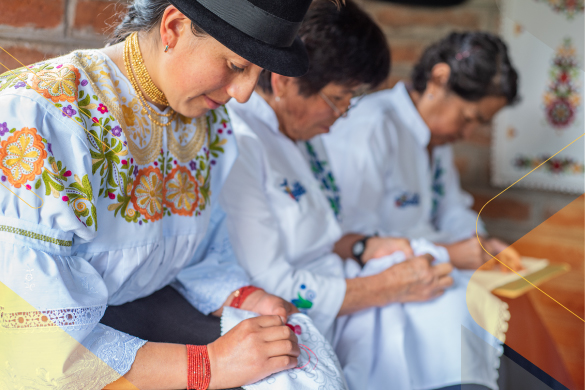
- The Andean highlands and indigenous markets
- Nature reserves such as Antisana or Cotopaxi
- Cultural destinations like Otavalo
From Guayaquil, travellers can easily continue toward:
- The Pacific coast
- The historic city of Cuenca
- Or onward to the Galapagos Islands

This combination of spiritual heritage and geographic diversity makes Ecuador an exceptional destination during the Holy Week season.
A Moment to Witness Living Tradition
Holy Week in Ecuador is not staged for visitors. It is a living tradition that continues to shape the cultural rhythm of the country.
For travellers willing to observe with curiosity and respect, it offers something increasingly rare:
a chance to witness faith, history and community unfolding in real time.
And in Ecuador, that story can be experienced in more than one way.
Read also: