
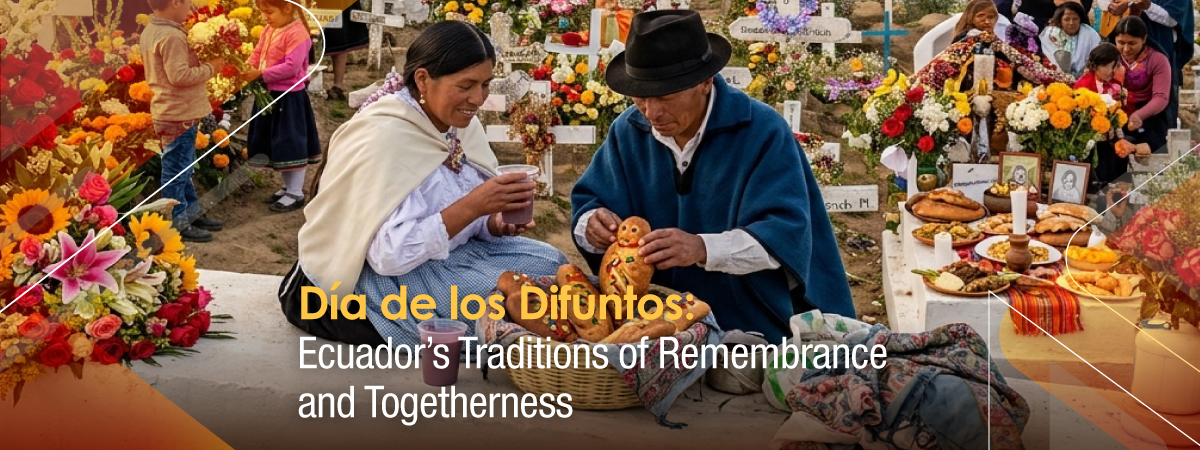
Día de los Difuntos: Ecuador’s Traditions of Remembrance and Togetherness
Every 2 November, Ecuador honours the memory of loved ones who have passed away through traditions that bring families together around food, remembrance and ancestral customs. Known as Día de los Difuntos, this occasion reflects the country’s cultural heritage, where Indigenous beliefs and Catholic traditions have come together over generations.
Across the Ecuadorian Andes, families prepare traditional recipes, visit cemeteries and share moments that keep memories alive. For travellers, this celebration offers a meaningful perspective on Ecuadorian culture, revealing how everyday customs connect generations and preserve a strong sense of identity.
A Tradition Rooted in Andean Heritage
The origins of Día de los Difuntos are closely connected to ancestral Andean beliefs, where death was understood as part of a continuing cycle of existence. With the arrival of Catholic traditions during the colonial period, these practices gradually blended with All Souls’ Day, creating a distinctive Ecuadorian expression of remembrance.
Today, the celebration takes different forms across the country. In some communities, families gather at cemeteries to share food and prayers, while in others, the occasion centres on preparing traditional dishes and spending time together at home. Despite these differences, the meaning remains closely connected to family, memory and respect for previous generations.
Colada Morada: A Tradition of Flavour and Memory
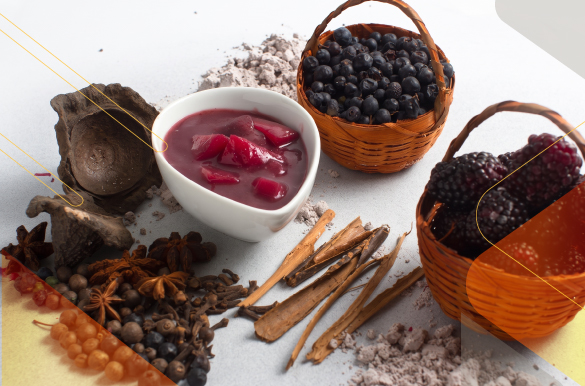
One of the most recognisable elements of Día de los Difuntos is colada morada, a thick purple drink traditionally prepared with dark maize flour, Andean fruits, aromatic herbs and spices. Ingredients such as mortiño, blackberries, naranjilla, pineapple and cinnamon give it a distinctive flavour, while recipes vary between families and regions.
Preparing colada morada is often a family tradition passed down through generations. The process brings relatives together in the kitchen, preserving recipes and memories associated with parents and grandparents. More than a seasonal drink, it represents the continuity of Ecuadorian culinary heritage.
Guaguas de Pan: A Symbol of Tradition
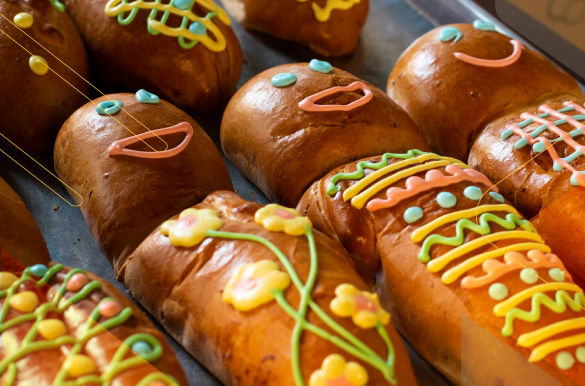
Colada morada is traditionally accompanied by guaguas de pan, sweet breads shaped like small children and decorated with colourful icing. The word guagua, meaning child in Kichwa, reflects the Indigenous influence behind this custom.
These breads are prepared in homes and bakeries throughout Ecuador, sometimes filled with chocolate, guava or other sweet ingredients. Their preparation and decoration have become a familiar part of the season, bringing families together and introducing younger generations to a tradition that combines gastronomy, creativity and cultural meaning.
Cemeteries as Places of Remembrance
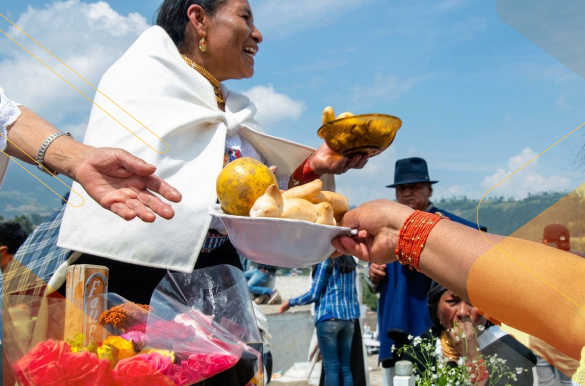
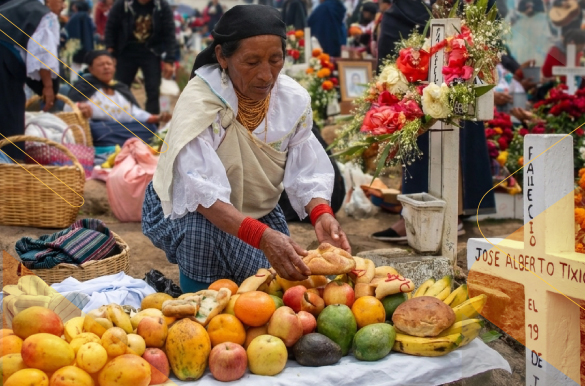
In several Andean communities, visiting the cemetery is an important part of Día de los Difuntos. Families clean and decorate graves with flowers, offer prayers and spend time remembering those who are no longer with them. In some Indigenous traditions, sharing food beside the graves reflects the belief that the connection between the living and their ancestors continues beyond death.
Places such as Otavalo, Cotacachi and Calderón, near Quito, preserve distinctive expressions of these customs. Here, cemetery visits can become family gatherings where food, conversation and remembrance form part of the occasion. These traditions offer an insight into the different ways Ecuadorian communities understand life, death and belonging.
Experiencing Ecuador Through Its Living Traditions
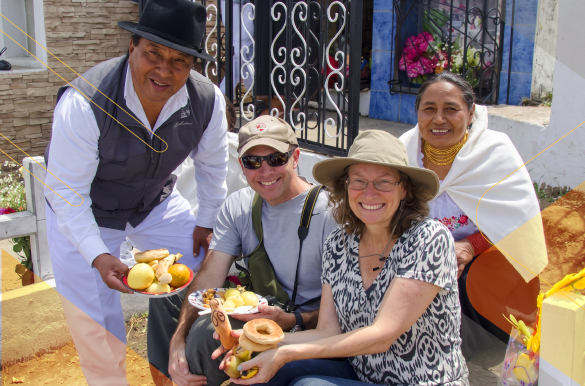
For travellers visiting Ecuador in late October or early November, Día de los Difuntos provides an opportunity to discover a different side of the country’s cultural identity. Traditional markets, local bakeries and family recipes reveal the importance of seasonal gastronomy, while community celebrations highlight the diversity of customs found throughout the Andes.
For travel designers, these traditions can add cultural depth to itineraries that include Quito, Otavalo, Cuenca and other Andean destinations. Food experiences, visits to local markets and encounters with artisans can introduce travellers to the meaning behind the celebration, always respecting the personal and spiritual character of the occasion.
A Celebration That Connects Generations
Día de los Difuntos is a reminder that Ecuador’s cultural heritage lives not only in its historic cities and archaeological sites, but also in the traditions that families continue to practise every year.
From the aroma of freshly prepared colada morada to the colourful guaguas de pan and flowers placed on graves, each element tells a story of remembrance and continuity. For travellers, understanding these customs offers a deeper appreciation of Ecuador, where traditions remain part of everyday life and the memories of past generations continue to shape the present.
Read also: